
Mother’s Day fabric is physical fabric used to make handmade gifts, sewing projects, banners, table decor, keepsakes, and craft pieces for Mother’s Day. Searchers who type Mothers Day Fabric usually need fabric by the yard, craft fabric, cotton fabric, canvas fabric, or a soft material for a specific Mother’s Day project.
This article covers cotton duck, canvas fabric, muslin, fleece, fabric swatches, and fabric by the yard. It does not cover digital downloads, finished shirts, wallpaper, greeting cards, or general Mother’s Day gift lists. We choose fabric by project function first, then by color, print, or sentiment.
Key Takeaways:
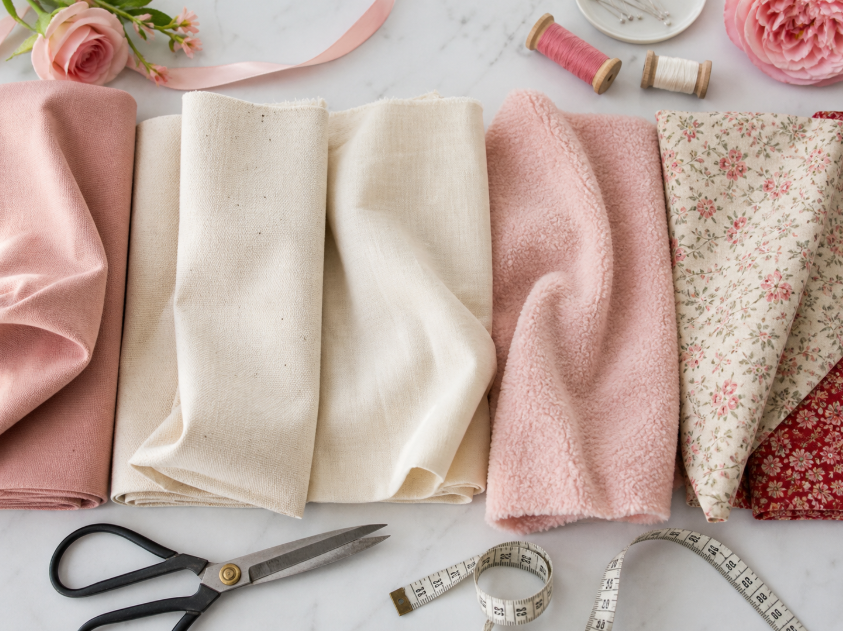
Mother’s Day fabric means physical material selected for a Mother’s Day project, not only fabric with a Mother’s Day print. A good fabric choice depends on the finished item. A banner needs body. A blanket needs softness. A painted keepsake needs a stable surface. A table runner needs enough width and clean edge handling.
This definition matters because the phrase “Mother’s Day fabric” can point to different buying tasks. Some people want fabric by the yard. Some want Mother’s Day cotton fabric with mom-themed motifs. Some want a blank material for painting, embroidery, applique, or heat transfer vinyl.
For Canvas ETC projects, we treat Mother’s Day fabric as a project-specific material category. Useful fabric attributes include:
A Mother’s Day fabric purchase should start with the job the fabric must perform. The better buying question is: What does the finished Mother’s Day project need the fabric to do?
Choose cotton duck or canvas for structured Mother’s Day gifts, muslin for lightweight keepsakes, and fleece for soft no-sew projects. The correct fabric depends on structure, softness, wash needs, paint response, seam handling, and yardage. A project that hangs, carries weight, or keeps a flat shape usually needs more body than a project made for softness.
We recommend this order of decision:
A Mother’s Day banner, tote bag, apron, and fleece blanket should not use the same fabric logic. A banner needs a stable face. A tote needs body at the seams. A blanket needs softness. A keepsake panel needs a surface that can accept a design cleanly.
When the project depends on color matching, hand, or surface decoration, start with printed fabric swatches or samples. A swatch lets you check the fabric before buying yardage.
Mother’s Day fabric should be selected by project type because each project has a different fabric requirement. A flat sign needs a clean display surface. A tote needs seam strength. A table runner needs drape with enough body. A fabric flower needs shape control without too much stiffness.
| Mother’s Day Project | Fabric Direction | Why It Works | Avoid When | Planning Note |
| Fabric banner | Cotton duck or canvas fabric | Holds a flatter display face | The banner needs a very soft drape | Check finished width and hanging method |
| Fabric sign | Canvas or cotton duck | Supports paint, applique, or lettering better than very soft fabric | The sign must fold into a tiny package | Use a hem, rod pocket, or mounted edge |
| Tote bag | Medium or heavy cotton duck | Gives body to the bag walls and handles | The project needs a soft pouch feel | Plan for handle reinforcement |
| Apron | Cotton duck or medium canvas | Balances body, wear, and easy cutting | The apron needs a very light garment drape | Check ties, pockets, and hem allowance |
| Table runner | Canvas, cotton duck, or medium cotton | Lays flat and supports decoration | The table setting needs a sheer layer | Measure table length before buying yardage |
| Fabric flowers | Muslin, lighter cotton, or scraps | Shapes more easily than stiff heavy canvas | The flower design needs rigid petals | Test fray and petal shape before cutting all pieces |
| No-sew blanket | Fleece | Soft hand suits cozy gifts | The project needs a flat painted surface | Confirm finished blanket size before ordering |
For deeper yardage planning, use the fabric yardage calculator and read what is a linear yard before ordering fabric by the yard.
Cotton duck, canvas, muslin, and fleece solve different Mother’s Day fabric problems because each material has a different balance of structure, softness, surface stability, and project fit. Cotton duck and canvas fit structured projects. Muslin fits lightweight keepsakes. Fleece fits soft gifts.
| Fabric Type | Best Project Fit | Main Strength | Main Limitation | Test Before Use |
| Cotton duck | Totes, aprons, banners, table runners | Body and structure | Can be too firm for tiny gathered pieces | Seam bulk and paint response |
| Canvas fabric | Signs, wall hangings, decor panels | Stable display surface | Weight varies by product | Finish, edge handling, and hand |
| Muslin | Keepsake panels, practice pieces, light crafts | Light cotton surface | May need support for structure | Marker feathering and backing need |
| Fleece | No-sew blankets and soft gifts | Soft hand | Not ideal for crisp painted lettering | Decoration adhesion and edge finish |
Choose cotton duck when the project needs body. Choose canvas fabric when the project needs a stable display surface. Choose muslin when the project needs a lightweight cotton face with support. Choose fleece when the project needs softness rather than crisp edges.
Cotton duck and canvas fabric work well for Mother’s Day projects that need structure. We use these fabrics for projects where the finished item must hang flat, hold shape, carry light weight, or support a decorated surface. Common examples include banners, signs, table runners, aprons, pillows, and tote bags.
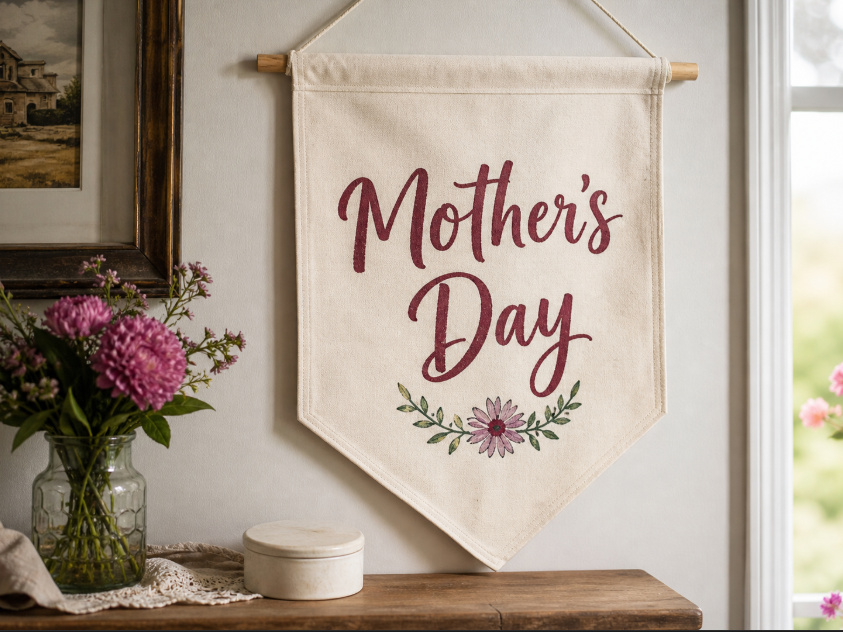
Cotton duck is a woven cotton fabric family. Canvas fabric is a broader material category that often includes cotton duck, artist canvas, numbered duck, and other durable woven constructions. The two terms overlap in many buying situations, but they are not always identical. Check weight, width, weave, and finish on the actual product page.
A medium-weight duck can work for many craft and decor projects. A very heavy duck can be better for rugged items, but heavy fabric may be hard to gather, turn, or shape on small decorative pieces. A light canvas can suit a banner or wall hanging, but it may need backing or a finished edge.
For structured gifts with a soft seasonal color, 10 oz cotton duck fabric in Orchid Pink is a relevant option for banners, table decor, and craft panels. For a lighter neutral project, 7 oz cream canvas fabric can work where the project needs a lighter canvas hand.
If the project is a tote, compare the fabric’s body, seam handling, and lining needs with the article on the best canvas material for tote bag. If the project is a hanging sign or fabric display, compare structure and finish with the best canvas fabric for banners.
Muslin fabric works best for lightweight Mother’s Day keepsakes, practice panels, simple painted pieces, and framed fabric art. Muslin is not heavy canvas. Muslin usually has a lighter hand, so it can be easier to cut, fold, gather, or frame.
Muslin suits projects where the fabric does not need to carry load. A handprint panel, embroidered message, small fabric card insert, or framed keepsake can use muslin when the fabric is supported. Muslin can also help a maker test a shape before cutting into heavier fabric.
Muslin has limits. A single layer of muslin may feel too light for a tote bag, apron body, or unsupported banner. A painted muslin panel can also need backing, interfacing, a frame, or a mounted edge. The right support depends on finished size and decoration method.
For a lightweight cotton surface, natural muslin cotton fabric is a relevant material direction. Read the Canvas ETC article on muslin fabric when the project depends on muslin’s hand, weave, and common uses.
Fleece fabric works for soft Mother’s Day gifts, especially blankets, pillows, and cozy no-sew projects. Fleece should not be treated like canvas. Fleece gives softness, thickness, and warmth, while canvas gives structure and surface stability.
A fleece gift works when comfort matters more than crisp edges. Common examples include tie blankets, pillow covers, lap blankets, and soft keepsake pieces. These projects usually need width planning more than seam structure. The finished size, edge style, and fabric width set the yardage.
Fleece is not the first choice for painted banners or fabric signs. The surface texture can affect lettering, paint edges, and small decorative detail. Test any marker, paint, applique, or heat-transfer method on a small piece before applying it to the final gift.
For cozy no-sew gifts, anti-pill fleece fabric is a relevant Canvas ETC material option. Use fleece when the final Mother’s Day project should feel soft in the hand, not rigid on display.
Decoration method changes the right Mother’s Day fabric because paint, embroidery, applique, and heat transfer vinyl need different surfaces. Canvas and cotton duck give a more stable surface for lettering and applique. Muslin works for lighter panels. Fleece works for soft gifts but can be harder to decorate with crisp detail.
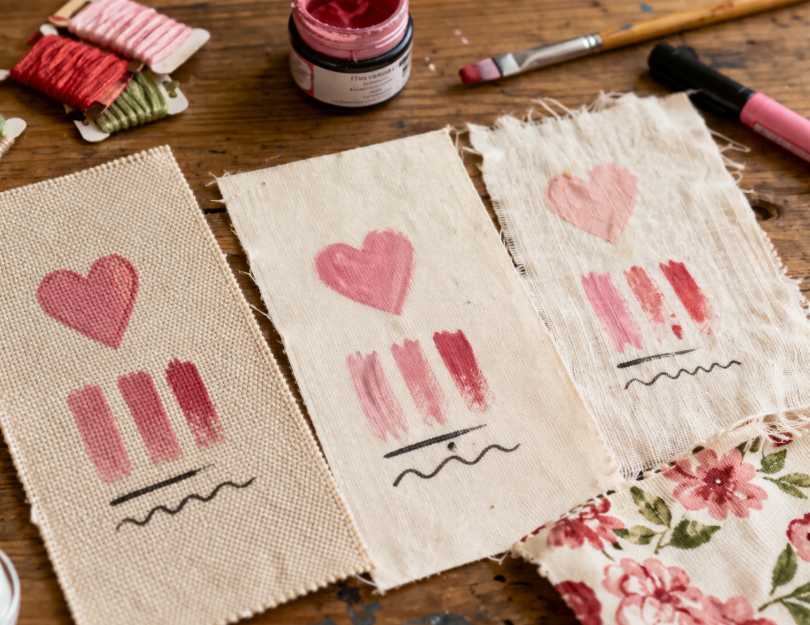
Heat transfer vinyl, also called HTV, depends on heat, pressure, fiber content, and fabric finish. Test HTV on a swatch before applying it to a finished gift. Test paint, adhesive, marker, embroidery, and laundering behavior on a fabric sample before using the final yardage.
| Decoration Method | Better Fabric Direction | Main Reason | Test Before Final Use |
| Fabric paint | Canvas, cotton duck, muslin | Stable woven surface supports painted shapes | Bleed, stiffness, drying feel |
| Fabric markers | Canvas, cotton duck, muslin | Firm surface helps line control | Feathering and color spread |
| Embroidery | Muslin, cotton duck, canvas | Woven base can hold stitches with proper support | Needle size, stabilizer, puckering |
| Applique | Cotton duck, canvas, medium cotton | Body supports layered pieces | Adhesive, stitching, edge finish |
| Heat transfer vinyl | Tested cotton or canvas base | Heat, pressure, and fabric finish affect bond | Heat tolerance and adhesion |
A fabric marker can feather on one weave and stay cleaner on another. Paint can stiffen a thin fabric. Embroidery can pucker when the fabric lacks support. For fabric printing projects, compare decoration choices with printed cotton fabric dye sublimation vs screen printing and how to print on canvas fabric.
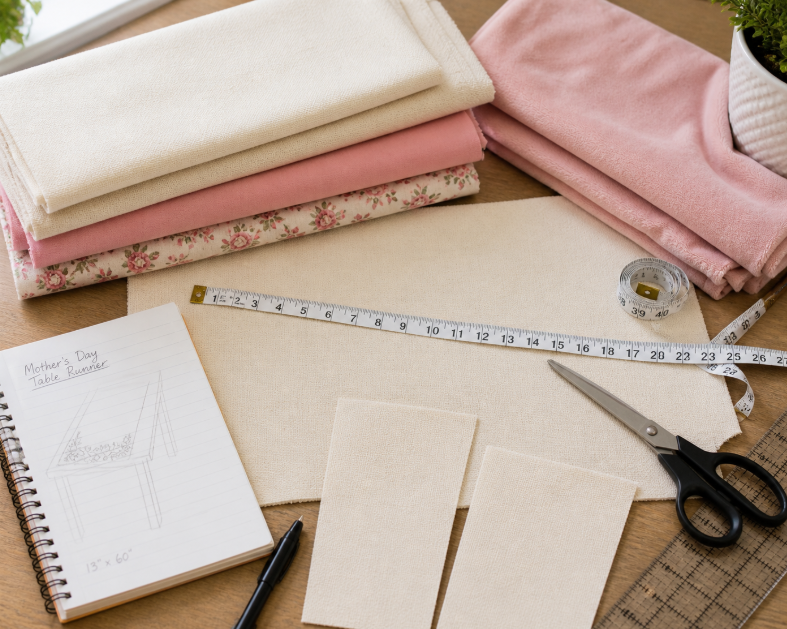
Mother’s Day fabric yardage depends on finished size, fabric width, seam allowance, hems, lining, and pattern direction. A small fabric flower can use scraps. A banner may need a partial yard or more. A table runner, apron, tote, or blanket needs measurement before buying.
Do not buy fabric by project name alone. Measure the finished item first. Add space for seams, hems, mistakes, backing, and directional layout. Fabric width matters because a 36-inch wide fabric and a 60-inch wide fabric do not give the same cutting plan.
| Project | Measurement That Controls Yardage | Extra Fabric Reason | Buying Note |
| Banner | Finished height and length | Rod pocket, hem, spacing | Check fabric width before layout |
| Table runner | Table length and drop | Hems and backing | Plan width before buying yardage |
| Apron | Body size, ties, pockets | Straps and pocket placement | Choose fabric weight for wear |
| Tote bag | Bag panel size and handle length | Lining, boxed corners, handles | Plan reinforcement points |
| No-sew blanket | Finished blanket size | Fringe or edge treatment | Confirm usable width |
The Canvas ETC article on fabric by the yard mistakes is useful before buying project fabric. It helps buyers think about yardage, width, and project planning before cutting.
Mother’s Day fabric is not the same thing as a finished Mother’s Day gift, a digital design file, or a generic decorative theme. This article focuses on fabric as a material. The article does not replace a sewing pattern, a care label, or a project tutorial.
A finished shirt, mug, card, or printed sign may use Mother’s Day artwork, but it is not fabric yardage. A digital file may contain artwork for a transfer or print job, but it is not a physical textile until the design is applied to a material. A wallpaper print may share a floral or mom-themed design, but wallpaper does not behave like cotton duck, canvas, muslin, or fleece.
This boundary helps the buying decision. A maker buying fabric must decide on fiber, weight, width, weave, finish, and end use. A shopper buying a finished gift makes a different choice.
Use these quick rules:
The most common Mother’s Day fabric mistake is choosing a motif before checking the material. A pretty color or floral print cannot fix a fabric that is too stiff, too thin, too soft, too narrow, or hard to decorate cleanly.
| Mistake | What Goes Wrong | Better Action |
| Using heavy canvas for small gathered flowers | Heavy fabric can resist tight shaping | Use lighter cotton or muslin when the flower needs soft folds |
| Using unsupported muslin for a tote bag | Muslin can lack body for bag panels and handles | Use cotton duck or canvas for structure |
| Painting the final piece before testing | Paint can bleed, stiffen, or dry unevenly | Test paint on a swatch first |
| Ignoring usable fabric width | The cutting layout may not fit the project | Check width before buying yardage |
| Skipping edge finish | Raw edges can weaken or look unfinished | Plan hems, binding, pinked edges, backing, or mounted edges |
Order timing also matters for a seasonal gift. Project time, cutting time, decoration drying time, and delivery time all affect the finished date. Use a dated work plan when the gift must be ready for a specific Mother’s Day celebration.
Mother’s Day fabric selection at Canvas ETC starts with the project’s required material behavior: structure, softness, surface stability, width, and finish. We describe fabric by material, weight or denier, width, weave, finish, coating when relevant, and end use. That specification-first approach helps match the material to the project.
For structured Mother’s Day projects, we start with canvas and cotton duck. These fabrics make sense when the item needs body, clean edges, flat display, or a durable hand. Examples include banners, signs, table runners, totes, aprons, and wall hangings.
For lightweight keepsakes, we look at muslin, lighter cotton, or supported panels. These materials work when the project needs a surface for marks, stitches, or framed presentation.
For soft gifts, we look at fleece. Fleece fits blankets and soft pieces where comfort matters more than a crisp display face.
For uncertain projects, we start with swatches. Swatches let the buyer check color, hand, and surface before ordering yardage. The related article fabric swatches: a designer’s best friend explains why samples help before a larger fabric purchase.
| Project Type | Start With | Check Before Ordering | Why It Matters |
| Banner or sign | Canvas or cotton duck | Width, weight, surface, edge finish | The fabric must hang cleanly and support lettering |
| Tote or apron | Cotton duck or medium canvas | Seam bulk, body, pocket placement, handle support | The fabric must support wear and handling |
| Keepsake panel | Muslin, canvas, or cotton duck | Paint response, backing, frame, stabilizer | The surface must hold the decoration cleanly |
| Soft gift | Fleece | Width, hand, edge method | The fabric must feel soft and size correctly |
Mother’s Day fabric choices become clearer when each example names the finished item, material behavior, and decoration method. A useful project example does not stop at “use pretty fabric.” It states what the fabric must do.
A painted Mother’s Day banner needs a fabric face that stays stable while lettering and shapes are applied. Cotton duck or canvas fabric can support this project because the material has more body than very soft fabric. A maker should check width, edge finish, hanging method, and paint response before cutting the final panel.
Suggested image alt text: Mother’s Day fabric banner made from cotton duck canvas with painted lettering and a finished edge.
Suggested image caption: Cotton duck and canvas fabric support structured Mother’s Day banners, signs, and wall decor.
A no-sew Mother’s Day blanket needs softness and enough width for the finished size. Fleece fits this project because the gift is handled and used for comfort. Canvas would be a poor substitute because the blanket does not need a rigid display face.
Suggested image alt text: Fleece fabric for a soft Mother’s Day no-sew blanket project.
Suggested image caption: Fleece is better for soft Mother’s Day gifts than for crisp painted signs.
A muslin keepsake panel works when the project is framed, mounted, or supported. Muslin can serve as a lighter cotton surface for a message, handprint, embroidery, or simple painted detail. The maker should test marker or paint behavior on a sample first.
Suggested image alt text: Muslin Mother’s Day fabric sample used for a painted keepsake panel.
Suggested image caption: Muslin can work for lightweight Mother’s Day keepsakes when the fabric has backing or a frame.
A Mother’s Day tote needs body at the bag panels, seams, and handles. Cotton duck can suit this project because the material supports shape better than many soft fabrics. The maker should account for lining, handle reinforcement, and seam bulk.
Suggested image alt text: Cotton duck Mother’s Day tote fabric with reinforced handles and sewn seams.
Suggested image caption: Cotton duck gives Mother’s Day totes and aprons more structure than fleece or unsupported muslin.
Mother’s Day fabric questions usually narrow by project, material, decoration method, or yardage. The fastest path is to match the question to the fabric attribute that controls the answer.
This decision path also helps with related searches such as Mother’s Day fabric by the yard, fabric for Mother’s Day crafts, Mother’s Day fabric for kids, Mother’s Day cotton fabric, and fabric for handmade gifts for Mom.
Cotton duck or canvas fabric works well for a Mother’s Day banner because the material gives the banner structure. A banner needs a stable face for paint, applique, stitched letters, or printed elements. A very soft fabric can sag or distort the design unless it has backing. Check width, hanging method, and edge finish before buying yardage.
Muslin, lighter cotton, canvas scraps, and fleece can work for kid-friendly Mother’s Day crafts when the project matches the fabric. Muslin and canvas can support painting or marker work. Fleece can support soft no-sew pieces. Adult supervision is needed for cutting tools, adhesives, needles, irons, and heat transfer methods.
Cotton duck is a strong material direction for structured Mother’s Day gifts such as totes, aprons, banners, table runners, and decor panels. Cotton duck may be too stiff for tiny gathered flowers or very soft accessories. Choose the weight by project use, not by fabric name alone.
Canvas is usually the better choice for a structured painted display, while muslin is better for lightweight painted keepsakes or supported panels. Canvas gives more body. Muslin gives a lighter hand. Test paint, marker, and backing on a small piece before decorating the final gift.
Order swatches when the project depends on color, texture, stiffness, paint response, or gift-quality finish. A swatch helps you judge the fabric by touch and sight before buying yardage. Swatches are useful for banners, table decor, painted panels, and gifts that must match a room or design palette.
Mother’s Day fabric yardage depends on the finished project size, fabric width, seam allowance, hem allowance, lining, and backing. A flower project may use small cuts. A tote, apron, table runner, or blanket needs a measured cutting plan. Confirm the finished dimensions before ordering.
Mother’s Day fabric buying risk drops when the buyer checks the attribute that controls the project outcome. The right check depends on the project’s material need.
This checklist keeps the project tied to measurable fabric behavior. It also prevents the most common mismatch: selecting a design theme before checking the material.
Choose Mother’s Day fabric by matching the material to the project’s function. Cotton duck and canvas fabric suit structured gifts and decor, including banners, signs, totes, aprons, and table runners. Muslin suits lightweight keepsakes and supported painted panels. Fleece suits soft no-sew gifts and cozy items.
The best buying path is practical: define the project, pick the fabric family, check weight and width, plan yardage, test decoration methods, and order swatches when the finished gift depends on color, hand, or surface behavior. Fabric by the yard gives makers control, but the material must match the job.
Start with the finished item. Choose canvas or cotton duck for structure, muslin for lightweight keepsakes, and fleece for softness. Then check fabric width, weight, finish, and yardage before buying.
For a safer first step, order swatches when the gift depends on surface feel, color, paint response, or a clean finished appearance. For a direct project path, choose the Canvas ETC fabric family that matches the item you plan to cut, sew, decorate, or gift.