
The best canvas projects for spring are practical seasonal projects such as canvas tote bags, pillow covers, aprons, storage bins, wall art, pet mats, picnic rolls, privacy panels, and cushion refreshes. A spring canvas project should be chosen by use case first, then by fabric type, fabric weight, finish, care needs, and difficulty level. This guide focuses on fabric canvas, cotton duck canvas, duck cloth, artist canvas, and custom printed canvas projects, not plastic canvas pattern libraries or canvas print shopping.
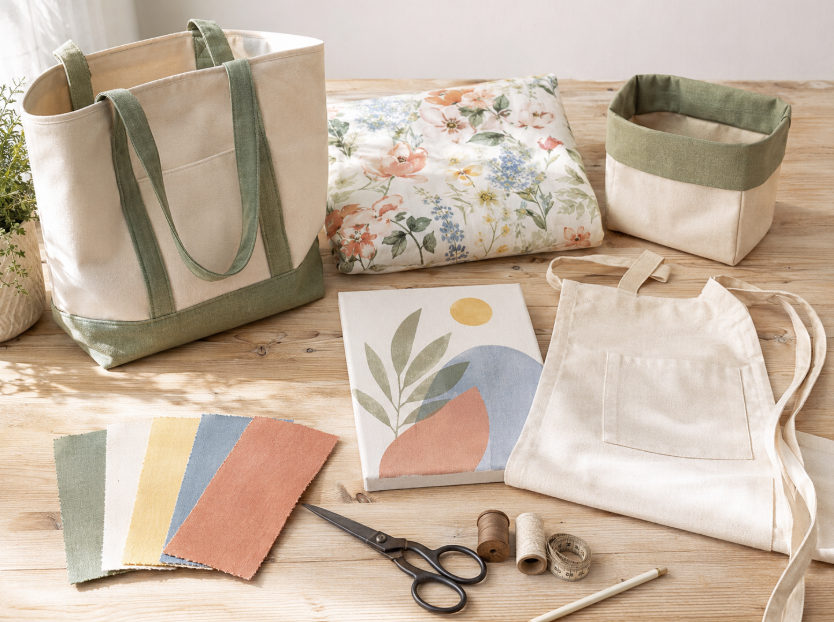
The best canvas projects for spring are the projects that match a seasonal task with the right canvas material. Choose tote bags for spring errands, pillow covers for home refreshes, aprons for gardening or craft work, storage bins for spring cleaning, wall art for seasonal decor, pet mats for washable utility areas, and outdoor panels or cushion covers only after verifying fabric exposure requirements.
| Spring canvas project | Best use case | Skill level | Canvas or fabric direction | Verify before buying |
| Canvas tote bag | farmers markets, errands, gifts | beginner/intermediate | cotton duck canvas or structured canvas | pattern, handle reinforcement, machine capacity |
| Pillow cover | spring home refresh | beginner | medium canvas, duck cloth, or printed fabric | insert size, closure, softness, care |
| Apron | gardening, kitchen, craft work | beginner/intermediate | washable canvas or duck cloth | strap comfort, pockets, laundering |
| Storage bin | spring cleaning and organization | beginner/intermediate | structured canvas or duck cloth | lining, stiffness, seam finish |
| Wall art | seasonal color and display | beginner | artist canvas, painting canvas, or printed canvas panel | surface preparation, frame, hanging method |
| Pet mat or cover | washable pet zones | intermediate | sturdy canvas selected for cleaning needs | laundering, lining, closure |
| Picnic roll | parks, outdoor dining, travel | intermediate | canvas selected for ground contact and rollability | backing layer, cleaning method |
| Privacy panel | porch, patio, balcony, garden | intermediate/advanced | fabric selected by exposure, finish, and mounting method | wind, hardware, coating, care |
| Cushion refresh | porch, patio, indoor seating | intermediate/advanced | fabric selected by indoor/outdoor location | foam, closure, seam stress, exposure |
Use the table as a planning tool, not as a final product specification.
Choose a spring canvas project by matching the finished item’s job to the material’s structure, hand, finish, and care requirements. A decorative wall panel can use a different canvas than a tote bag, and a porch project needs a different verification process than an indoor pillow cover.
| If your goal is… | Start with… | Why it fits spring | Best next step |
| A fast beginner project | pillow cover, wall art, simple apron | simple shapes and visible seasonal color | choose the design, then verify fabric weight and care |
| A useful everyday item | tote bag, market bag, garden apron | spring errands, gardening, and outdoor events | compare fabric weights and stress points |
| A home refresh | pillow covers, storage bins, table runner, wall panels | changes a room without replacing furniture | measure the insert, shelf, table, or wall area |
| Outdoor use | cushion cover, privacy panel, picnic roll | patios, porches, parks, and spring gatherings | verify exposure, finish, mounting, and cleaning needs |
| A giftable project | tote, apron, pet mat, small organizer | practical and easy to personalize | decide whether to use solid, dyed, painted, or printed fabric |
| A custom design | printed panel, branded tote, patterned pillow | supports seasonal graphics, florals, or branding | confirm artwork, fabric base, and print method |
| A storage project | bins, baskets, closet organizers | supports spring cleaning and decluttering | decide whether the project needs lining or structure |
| A painting project | stretched canvas, canvas panel, painted fabric | supports spring florals, landscapes, and wall art | choose the surface by paint method and display plan |
These spring canvas projects were selected by season fit, usefulness, material clarity, skill accessibility, and next-step value. A project belongs in this guide when it serves a real spring task, can be matched to a canvas type or fabric attribute, and helps the reader decide what to measure, verify, or buy next.
| Selection criterion | What it means for the reader |
| Seasonal fit | The project connects to spring cleaning, gardening, markets, outdoor dining, home refreshes, or seasonal decor. |
| Usefulness | The finished item has a practical purpose or clear display value. |
| Material clarity | The project can be matched to a fabric type, weight, finish, or construction requirement. |
| Skill accessibility | The project can be sorted by beginner, intermediate, or advanced difficulty. |
| Decision support | The project tells the reader what to measure, verify, or plan before buying fabric. |
| Canvas ETC fit | The project connects naturally to canvas, duck cloth, swatches, printing, yardage, or related fabric guidance. |
This article does not claim that one canvas fabric is universally best for every spring project. The better question is: which canvas fits this project, this setting, this construction method, and this care requirement?
The best canvas fabric for a spring project depends on the project’s function, structure, exposure, and care needs. Cotton duck canvas and duck cloth can be practical starting points for sewn projects that need body, while artist canvas or painting canvas fits painted wall art and display surfaces. Outdoor projects require additional validation because “canvas” alone does not prove water resistance, UV resistance, mildew resistance, or long-term outdoor suitability.
| Spring project | Fabric starting point | Why this fabric direction fits | Required validation |
| Tote bag | cotton duck canvas or numbered duck | gives the bag structure and supports reinforced seams | pattern recommendation, machine capacity, handle reinforcement |
| Market bag | medium cotton duck or structured canvas | balances foldability with body | expected load, seam strength, washable use |
| Pillow cover | medium canvas, duck cloth, or printed canvas | adds texture, color, and shape to indoor decor | softness, insert size, closure, care method |
| Storage bin | structured canvas or duck cloth | helps the bin hold shape | lining, interfacing, stiffness, seam finish |
| Apron | canvas or duck cloth selected for comfort and care | supports garden, craft, kitchen, or workshop use | laundering, strap comfort, pocket reinforcement |
| Wall art | artist canvas, painting canvas, or printed canvas panel | supports paint, print, stretch, mount, or frame decisions | primed/unprimed surface, display method |
| Pet mat or cover | sturdy canvas selected for cleaning needs | creates a washable cover layer when properly constructed | laundering, closure, lining, pet use |
| Picnic roll | canvas selected for cleaning and rollability | adds body to a portable outdoor layer | backing, damp-ground exposure, wash or wipe method |
| Outdoor privacy panel | canvas or outdoor-suitable fabric selected by exposure | creates visual separation when correctly mounted | finish, wind, grommets, seams, hardware |
| Cushion refresh | fabric selected by indoor or outdoor location | changes color and texture on seating surfaces | foam, closure, seam stress, exposure, care |
For deeper material planning, use Canvas ETC’s duck canvas by weight and numbered duck system guides before choosing a final fabric weight. If you are comparing product options, verify current width, weight, finish, care guidance, and project compatibility on the product page before ordering.
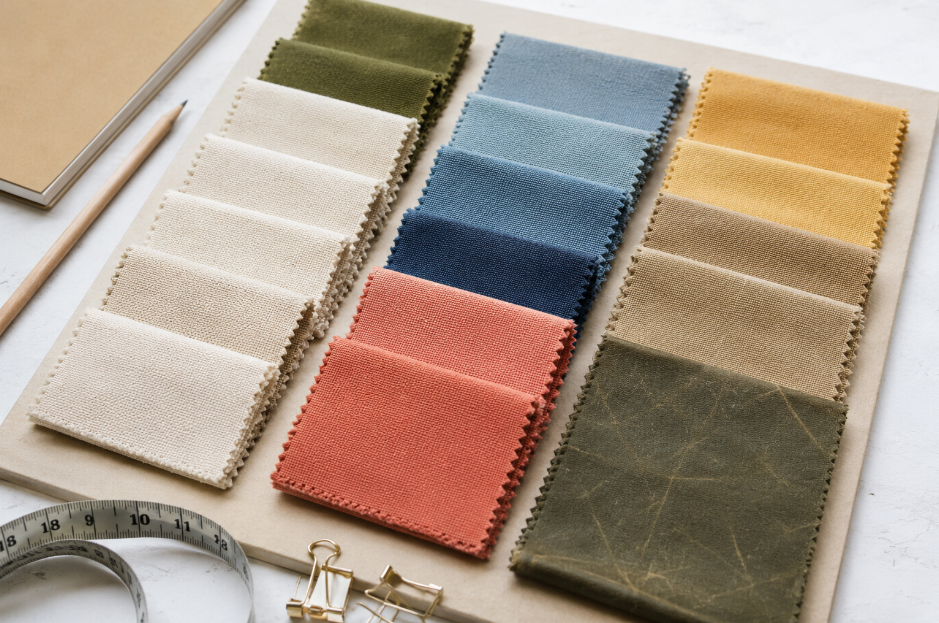
Relevant Canvas ETC product paths may include 10 Cotton Canvas Duck 60″, Dyed Duck Numbered Canvas Fabric, #8 Duck Cloth, Painting Canvas 12 Duck, and Printed Fabric Swatches/Samples.
Canvas can refer to fabric, an art surface, a craft material, or a printed decor product, so the project type must be clarified before choosing supplies. This guide focuses on canvas fabric and DIY canvas projects, with limited guidance for artist canvas wall art.
| Term | What it means | Best use in this guide | Main handling |
| Canvas fabric | woven fabric used for sewing, covers, decor, bags, panels, and utility projects | tote bags, pillows, aprons, bins, covers | main focus |
| Cotton duck canvas | canvas-family fabric often selected when structure is useful | bags, storage, home decor, utility projects | main focus |
| Duck cloth | a common term for duck canvas or related canvas fabric | sewn projects that need body | main focus, define by product/spec |
| Numbered duck | duck canvas identified by a number system | projects where weight and structure matter | support with weight guide |
| Artist canvas | surface selected for painting or display | painted wall art and framed spring decor | secondary |
| Painting canvas | canvas intended for painting or art use | painted panels, stretched art, mounted pieces | secondary |
| Plastic canvas | rigid craft mesh used for needlework-style projects | separate craft category | mention only for disambiguation |
| Canvas print | printed wall decor product | shopping/decor intent | excluded from main scope |
Canvas fabric and artist canvas differ mainly by end use. Canvas fabric is selected for sewing, structure, width, finish, and care, while artist canvas is selected for paint behavior, surface preparation, frame type, and display method.
For material background, see Canvas ETC’s guide on what canvas is made of. For art-surface decisions, see the guide to types of artist canvas.
Beginner-friendly spring canvas projects use simple shapes, limited hardware, and clear measurements. Start with pillow covers, aprons, wall art, simple totes, placemats, or storage bins before moving into slipcovers, structured poufs, outdoor panels, or cushion construction.
A canvas tote bag is a useful spring project for markets, errands, gardening supplies, library trips, and gifts. The tote shape is simple, but the handles and upper seams need reinforcement because they carry load.
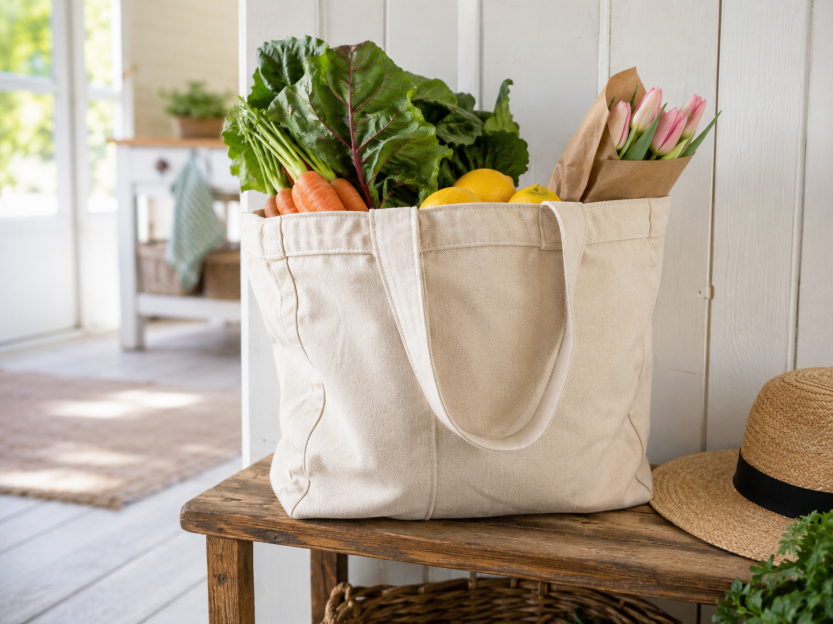
Use a tote project when you want:
Before cutting fabric, check the bag pattern’s recommended fabric weight, handle method, seam allowance, and machine requirements. Canvas ETC’s best canvas material for tote bags guide is the better next step if the tote is your chosen project.
Canvas pillow covers are beginner-friendly spring projects because they use simple measurements and create a visible home refresh. A pillow cover also lets you test color, print, texture, and hand before using the same fabric direction on a larger project.
A pillow cover usually requires:
Choose a softer or medium canvas when comfort matters. Choose a more structured fabric when the pillow needs crisp edges or decorative body.
A canvas apron is a practical spring project for gardening, cooking, crafting, and workshop tasks. The simplest apron uses a basic bib or waist shape, while a more advanced apron adds pockets, reinforced corners, adjustable straps, or contrast panels.
Choose an apron when the finished project needs utility, repeated wear, and visible seasonal color. Before sewing, decide whether the apron needs washable fabric, softer straps, deep pockets, tool loops, or reinforced stress points.
Canvas storage bins fit spring cleaning because they turn fabric into a functional organizing tool. A canvas bin can hold craft supplies, seasonal items, pet accessories, garden gloves, children’s toys, or fabric scraps.
A storage bin needs more body than a pillow cover. Depending on the desired shape, the project may require lining, interfacing, folded seams, or a stiffer canvas. Canvas ETC’s DIY canvas storage bins guide is the better next step for storage-specific construction.
Painted wall art is a beginner-friendly spring canvas project when the goal is decoration rather than sewing. Spring florals, garden shapes, abstract color blocks, landscapes, and seasonal lettering can work on stretched artist canvas, canvas panels, or mounted fabric panels.
Choose the surface by display method. A stretched artist canvas supports a wall-art workflow, while canvas yardage supports sewn, mounted, printed, or hemmed fabric projects.
Spring home decor projects with canvas work best when the fabric changes color, texture, or organization without requiring a full room renovation. Pillow covers, storage bins, table runners, wall panels, and floor cushions can refresh a room while keeping the project tied to a useful function.
Canvas pillow covers and cushion accents are useful spring decor projects because they change a room’s color and texture with a small amount of fabric. Indoor pillow projects should be selected for comfort, hand, closure method, and care needs.
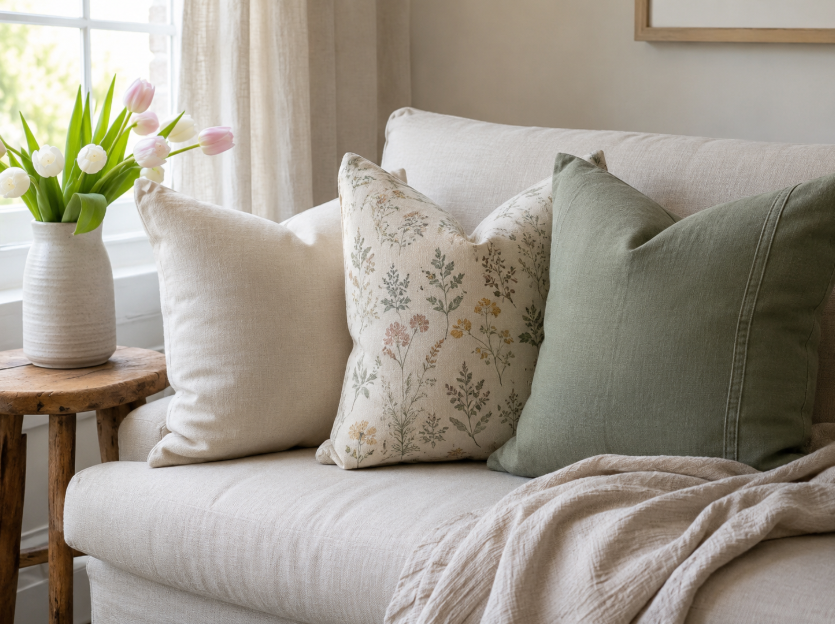
Measure the insert before buying fabric. A pillow cover that is decorative, removable, washable, reversible, or outdoor-adjacent may require a different fabric direction and closure method.
A canvas table runner or placemat set is a simple spring project for dining rooms, kitchens, picnic tables, craft tables, or event setups. The project is usually rectangular, so the main decisions are fabric hand, edge finish, washability, and whether the textile is decorative or used daily.
Choose a decorative runner when appearance is the main goal. Choose a more washable, practical construction when the runner or placemats will be used with food, garden gatherings, children, or frequent cleaning.
Canvas wall panels are useful when the reader wants a larger spring visual change than a framed painting. A panel can be painted, printed, stretched, hemmed, mounted, or framed depending on the design and fabric base.
A fabric wall panel should keep the design method close to the material choice. Printed fabric, painted canvas, and artist canvas behave differently, so the article should not treat them as interchangeable surfaces.
Canvas poufs and floor cushions can be spring home projects, but they are more advanced than pillows, placemats, or storage bins. A pouf needs accurate panels, strong seams, filling strategy, and fabric selected for floor contact and sitting stress.
Treat a pouf as an intermediate project unless the maker has experience sewing heavier fabric or structured home decor pieces. For deeper planning, see Canvas ETC’s guide to poufs, hassocks, and ottomans.
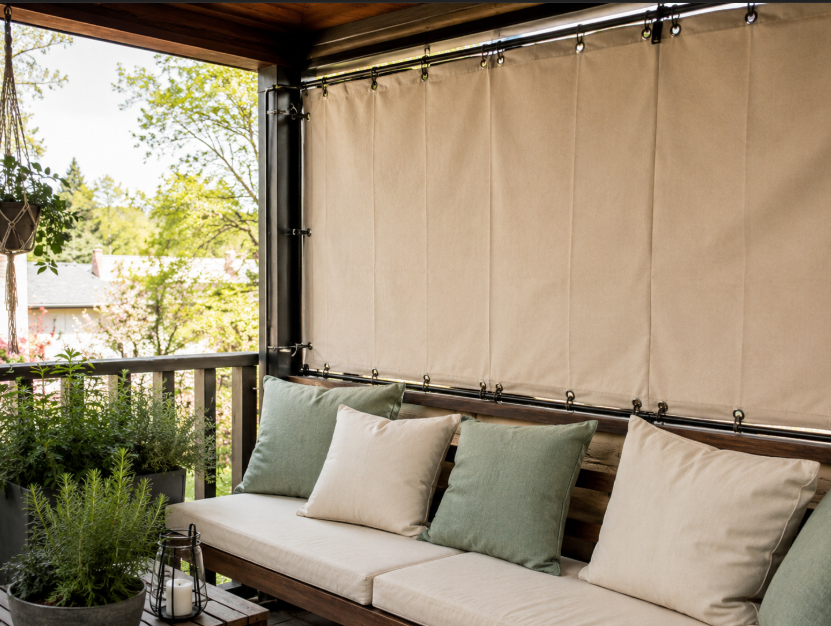
Outdoor spring canvas projects require fabric, finish, exposure, hardware, and care validation before buying yardage. A fabric being called “canvas” does not prove that it is waterproof, mildew resistant, UV resistant, or suitable for permanent outdoor exposure.
| Outdoor project | Main exposure question | Fabric factor to verify | Construction factor to verify |
| Patio privacy panel | Will the panel face wind, rain, or full sun? | finish, weight, coating, cleanability | grommets, seams, mounting, removal |
| Outdoor cushion cover | Will the cushion stay outside or be stored indoors? | exposure suitability, care method, drying behavior | foam, zipper, seam stress, closure |
| Picnic roll | Will the fabric touch damp grass or soil? | backing, cleanability, rollability | binding, straps, layers |
| Garden apron | Will it carry tools, soil, or water exposure? | washable use, abrasion, pocket strength | pocket reinforcement, strap attachment |
| Porch curtain | Will it move in wind or collect moisture? | drape, weight, finish, care | tiebacks, hem weight, hardware |
| Pet porch mat | Will it be washed often or exposed to claws? | laundering, abrasion, backing | closure, lining, removable cover |
For outdoor planning, review Canvas ETC’s canvas fabric treatments and duck canvas for outdoor gear guides before choosing a fabric. Keep outdoor language conditional unless the final product page or specification sheet supports a stronger claim.
Custom printed canvas can personalize a spring project when the artwork, fabric base, print method, and end use are planned together. Custom printing is most useful when the project needs a specific pattern, brand graphic, botanical illustration, event theme, or seasonal color story.
Custom printed canvas ideas include:
Before planning a custom printed canvas project, decide whether the design needs to be decorative, washable, durable, color-matched, or production-ready.
For print-specific planning, see Canvas ETC’s guides to best canvas for digital printing and large-format fabric printing.
Canvas project mistakes usually happen when the fabric’s weight, hand, finish, or care requirements do not match the project’s function. The safest planning process is to identify the project first, then verify fabric attributes before cutting or ordering yardage.
| Mistake | What can go wrong | Better decision |
| Choosing by color only | The fabric may be too stiff, too limp, too heavy, or too hard to clean. | Order swatches and compare color, hand, texture, finish, and weight. |
| Treating all canvas as the same | Artist canvas, duck canvas, plastic canvas, and canvas prints may be confused. | Identify the canvas type before planning. |
| Using indoor fabric outdoors without checking exposure | Sun, moisture, dirt, or wind may shorten project life. | Verify finish, care, exposure, and storage requirements. |
| Choosing a heavy fabric for a beginner machine | Thick seams may cause skipped stitches, broken needles, or uneven feeding. | Check machine capacity and use the right needle and thread. |
| Skipping reinforcement on bags | Handles and seams may fail under load. | Reinforce stress points and follow a bag pattern. |
| Forgetting closure and cleaning | Covers and mats may be hard to remove or wash. | Plan zippers, envelope backs, ties, or removable covers. |
| Buying yardage before measuring | The project may run short or waste fabric. | Measure first and use a yardage calculator or pattern layout. |
| Assuming “water-resistant” means “waterproof” | The finished item may be used in conditions the fabric was not selected for. | Read product guidance and qualify the use case. |
| Hiding project details only in visuals | The maker may miss fabric, size, or construction details. | Keep measurements, fabric notes, and captions in visible text. |
For sewing heavier canvas, check needle, thread, and machine capacity before cutting. Canvas ETC’s guide to the best thread and needle for heavy canvas is a useful next step when folded seams, multiple layers, or heavier duck are involved.
Before buying fabric for a spring canvas project, verify the fabric’s color, hand, weight, width, finish, care requirements, and project compatibility. A swatch helps test whether a fabric feels right for a pillow, has enough structure for a tote, or looks correct for a printed or painted project.
Use this buying checklist:
If color, print, texture, or fabric hand will affect the project, start with Printed Fabric Swatches/Samples. If the project dimensions are known, use Canvas ETC’s fabric yardage calculator before ordering yardage.
For broader buying decisions, Canvas ETC’s guide to fabric by the yard mistakes can help prevent common planning errors.
The best canvas projects for spring are tote bags, pillow covers, aprons, storage bins, wall art, pet mats, picnic rolls, privacy panels, and cushion refreshes. These projects fit spring because they support home refreshes, outdoor plans, markets, gardening, organization, and seasonal decor.
The best canvas for beginner projects is the canvas that matches the project pattern, sewing machine capacity, and desired hand. Pillow covers, aprons, simple totes, wall art, and storage bins are better beginner choices than slipcovers, structured poufs, or outdoor panels because the construction is usually simpler.
Artist canvas and cotton duck canvas can both belong to the broader canvas family, but they are selected for different tasks. Artist canvas is selected as a painting or display surface, while cotton duck canvas and duck cloth are selected for sewn projects such as bags, covers, bins, and utility items.
Canvas can be used for some outdoor spring projects when the specific fabric, finish, construction, exposure, and care plan fit the use case. Do not assume a fabric is waterproof, mildew resistant, UV resistant, or outdoor-ready only because it is called canvas.
Order swatches before buying canvas fabric when color, print quality, stiffness, texture, finish, or weight matters to the finished project. Swatches are especially useful for pillow covers, custom printed panels, home decor projects, bags, and any project where the fabric’s hand affects the result.
The right canvas weight for a tote bag depends on the bag size, handle construction, lining, expected load, and sewing machine capacity. Use a tote-specific pattern or material guide rather than choosing by weight alone, and reinforce the handles and stress points when the bag will carry heavier items.
Plastic canvas is included only as a disambiguation point. This guide focuses on fabric canvas, duck cloth, artist canvas, and spring DIY projects that use canvas as fabric or surface. Plastic canvas spring patterns are a separate craft intent and should be handled in a separate guide.
Fabric yardage depends on the project dimensions, fabric width, pattern layout, seam allowance, repeat direction, and whether the project needs lining or matching panels. Measure the project first, then use a yardage calculator or pattern instructions before ordering.
Use these next-step guides based on the project or decision you need to make: