
Buy fabric roll ends when the fixed-length piece gives enough clean usable yardage for a flexible, one-time project. Buy full rolls when the project needs continuous yardage, matching color, repeat supply, or lower production risk. Fabric roll ends vs full rolls is a textile buying decision about fixed pieces compared with continuous roll supply.
This article covers fabric roll ends, fabric remnants, full fabric rolls, cut-yard purchasing, cotton duck canvas, vinyl-coated fabric, nylon, mesh, muslin, artist canvas, waxed canvas, and event textiles. It does not cover carpet roll ends, vinyl flooring rolls, wallpaper rolls, paper rolls, hair rollers, or sewing jelly rolls.
At Canvas ETC, we treat the choice as a specification decision. The better format depends on usable yardage, fabric width, material type, quality grade, weave, weight, denier, finish, coating, shipping method, and end use.
Key Takeaways:
Roll ends work best when the project fits the fixed piece, and full rolls work best when the project needs length, consistency, or repeat supply. The lowest listed price does not always produce the lowest finished cost. The better metric is price per usable yard after waste, trimming, layout, defects, and shipping constraints.
| Buying Situation | Better Choice | Reason |
| Small project with flexible dimensions | Roll end | The fixed piece can cover the project without a larger roll purchase. |
| Prototype, sample run, patch, or repair | Roll end | The project can accept limited yardage and one-time availability. |
| Large continuous panels, drapes, covers, or backdrops | Full roll | Continuous yardage reduces seams, mismatches, and layout limits. |
| Repeat production, future repairs, or matching sets | Full roll | A full roll gives better control over shade, finish, and supply continuity. |
| Unknown quality, unknown usable length, or as-is terms | Verify before buying | The discount may disappear if the usable fabric does not fit the project. |
A roll end is not automatically lower quality. A full roll is not automatically wasteful. The correct choice comes from the project requirements and the fabric specification.
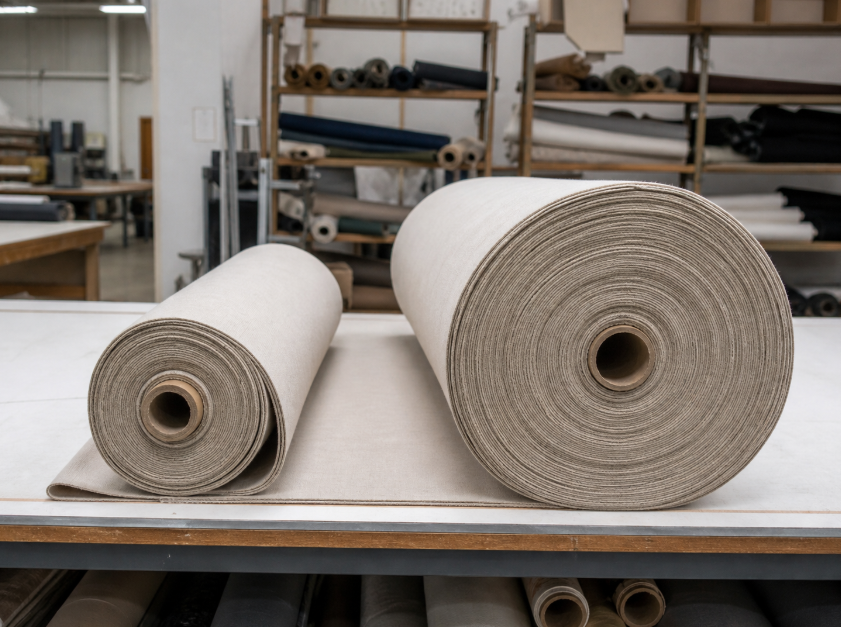
A fabric roll end is a limited remaining piece from a larger roll of fabric. A fabric remnant is a broader term that may include roll ends, offcuts, leftover yardage, closeout pieces, or odd-size cuts. A full fabric roll gives continuous yardage and stronger control over length, width, shade, and supply.
A fabric roll end is remaining yardage near the end of a roll. Roll ends usually have fixed yardage, fixed width, and limited availability. A roll end may be first-quality fabric, but the buyer still needs to check size, condition, finish, and sale terms.
Roll ends work when the project can adapt to the piece. Bags, patches, small covers, test panels, art samples, and repair work often fit this buying pattern.
A fabric remnant is leftover fabric that is smaller than a standard selling unit. A remnant may come from a roll end, a cut-yard order, a closeout, a miscut, or a partial bolt. The word “remnant” does not define quality by itself.
A remnant should be evaluated by length, width, fiber, weave, coating, finish, condition, and return status.
A full fabric roll is a larger continuous supply of roll goods. Full rolls work better for large cuts, matching panels, repeat orders, production jobs, and projects that need consistent shade or finish.
Full rolls also reduce layout problems. Long panels, wide backdrops, marine covers, awnings, event drapes, and manufacturing runs need more control than most roll ends provide.
Fabric roll ends are not scraps, seconds, carpet remnants, wallpaper rolls, or sewing jelly rolls. This distinction matters because each term carries a different buying risk. A scrap is usually too small for planned yardage. A second-quality fabric has a known or possible quality issue. A closeout fabric may be discontinued.
For this article, “fabric roll end” means a fixed-length textile piece left from a larger roll. The term does not mean damaged fabric unless the seller identifies the piece as flawed, second quality, or sold as-is.
Usable yardage determines whether a roll end saves money. Listed yardage tells you how much fabric is present. Usable yardage tells you how much fabric can become finished project material after width, cuts, waste, defects, and trimming.
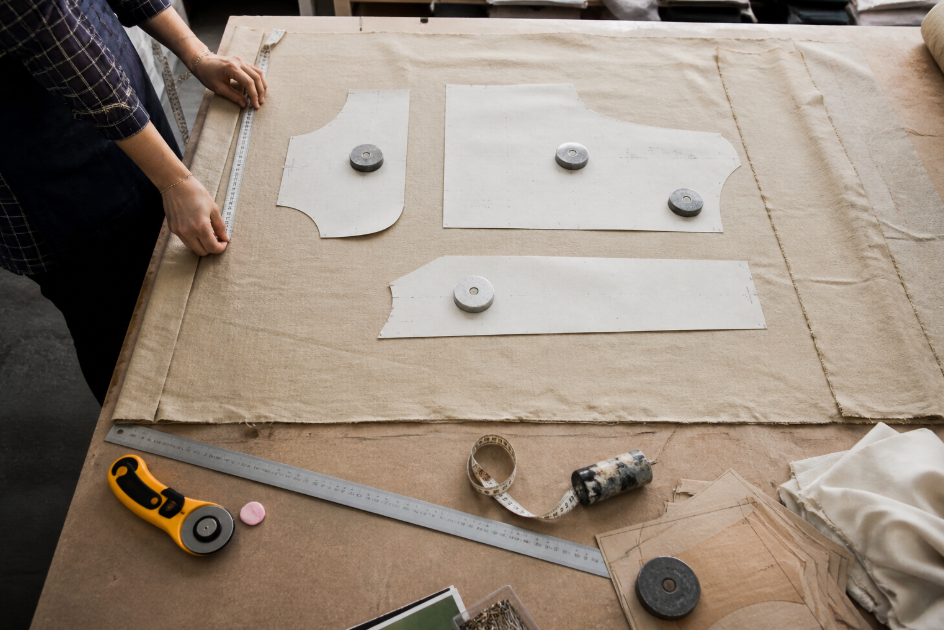
Use this project formula before buying:
Usable yardage = listed yardage minus unusable sections, trimming allowance, layout waste, and defect loss.
A 5-yard roll end is not a 5-yard solution if the project needs 4.8 clean yards and the fabric has edge damage, shade variation, or a coating crease. A full roll may cost more upfront and still cost less per finished piece when it reduces waste.
For yardage planning, we recommend using our fabric yardage calculator before comparing roll ends and full rolls.
Price per usable yard compares cost against fabric that can actually be used. This number is more accurate than listed price per yard because roll ends often have fixed dimensions and less margin for mistakes.
| Comparison Factor | Roll End Question | Full Roll Question |
| Length | Does the roll end exceed the project yardage plus waste? | Does the full roll provide enough continuous length for all cuts? |
| Width | Does the width fit the cut layout? | Does the roll width support repeatable layouts? |
| Defects | Do flaws reduce usable area? | Does the full roll reduce defect-related planning risk? |
| Matching | Can the project accept one-time material? | Does the project need matching shade or finish? |
| Reorder | Will more of the same fabric be needed later? | Does the full roll protect future supply? |
The right comparison is not cheap fabric against expensive fabric. The right comparison is known usable material against project risk.
Fabric roll ends are the better buy when the project is small, flexible, and not dependent on future matching. A roll end should cover the needed cuts, allow trimming, and leave enough margin for layout errors. The project should also tolerate limited color, finish, or quantity.
Roll ends fit small projects that do not need long continuous yardage. These projects often need enough fabric, not perfect supply continuity.
Good roll-end uses include:
The project should drive the purchase. A roll end is a strong buy only when the fixed size matches the cutting plan.
Roll ends can help buyers test weight, hand, finish, stiffness, coating, and sewability before larger production. A maker may use a small cotton duck roll end to test a bag pattern. A brand may use a nylon roll end to test panel shape and seam behavior.
Testing does not replace swatches. A swatch helps confirm color, texture, and finish before any larger order. We recommend fabric swatches and samples when color, print behavior, hand, or finish must be reviewed before a roll-end or full-roll purchase.
Roll ends become safer when leftover material still has a use. Extra canvas can become tabs, straps, pockets, patches, binding tests, reinforcement layers, or small accessories. Extra mesh can become vents or inserts. Extra nylon can become test seams or small gear parts.
A roll end becomes weaker when every inch must produce a planned finished piece. Tight layouts leave no room for trimming, grain alignment, edge damage, or mistakes.
Full fabric rolls are the better buy when the project needs continuous yardage, repeatability, consistent finish, or controlled layout. A full roll reduces the chance that a buyer will run out of material, mismatch panels, or lose time searching for more fabric later.
Full rolls fit projects that need long, clean runs of fabric. Large covers, curtains, drapes, backdrops, awnings, tents, banners, and industrial panels need fewer seams and better layout control.
A full roll also helps when fabric width affects the finished design. Wide panels often need consistent width across the whole job. A short roll end may force extra seams or awkward cutting.
Full rolls protect projects that need matching color, finish, texture, or coating. A full roll gives better supply control when multiple pieces must look the same.
Repeat orders create another reason to buy full rolls. Brands, manufacturers, institutions, and shops may need the same fabric again for repairs, replacement pieces, or later batches. A roll end may not be available later.
For shade-sensitive projects, read our guide on how to match dye lots on discount fabric before you buy.
Full rolls reduce risk when the project depends on weight, denier, coating, weave, flame-retardant status, finish, or performance. These attributes affect how the fabric cuts, sews, hangs, prints, stores, and performs after installation.
Examples include marine covers, commercial awnings, institutional drapes, printed backdrops, mil-spec textiles, and technical bags. These jobs need consistent material behavior from cut to cut.
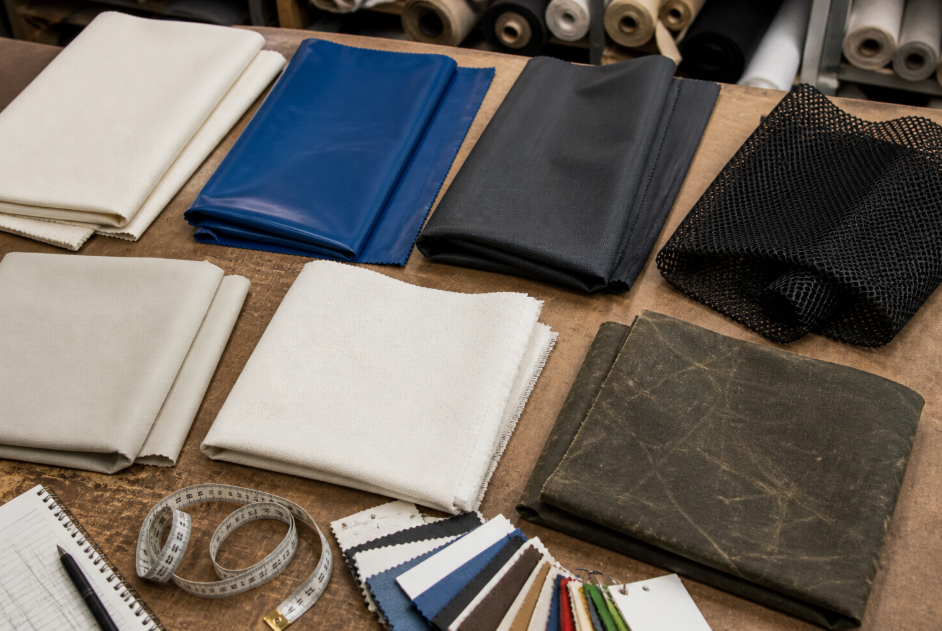
The better choice changes by fabric type because each material has different risks. Canvas, vinyl-coated polyester, nylon, mesh, muslin, artist canvas, waxed canvas, and event fabric do not behave the same during cutting, folding, sewing, storage, or use.
| Fabric Type | Roll End Works Best When | Full Roll Is Better When | What to Check |
| Cotton duck canvas | The project is small, flexible, or test-based. | The project needs matching panels, large covers, or repeat cuts. | Weight, numbered duck class, width, hand, shrinkage, finish. |
| Vinyl-coated polyester | The piece is clean, flat enough, and sized for a small cover or panel. | The project needs large visible surfaces or controlled coating condition. | Coating cracks, crease marks, thickness, backing, width. |
| Nylon packcloth and denier nylon | The project is a prototype, bag panel, lining, or small gear piece. | The project needs repeated color, denier, coating, or production quantity. | Denier, coating, weave, color, abrasion needs. |
| Mesh fabric | The project needs small vents, inserts, laundry panels, or repair sections. | The project needs large panels with consistent hole size and width. | Mesh opening, stretch, edge stability, coating, width. |
| Artist canvas | The project needs test surfaces or small stretched pieces. | The project needs consistent surface across a body of work. | Primed or unprimed surface, width, weave, weight. |
| Waxed canvas | The project can accept shade and crease variation. | The project needs consistent finish across visible panels. | Wax distribution, fold marks, hand, shade, weight. |
| FR or IFR event fabric | The piece has verified status and fits the job. | The project needs consistent documentation and matching panels. | FR or IFR status, width, finish, event requirements. |
Canvas ETC works across these material families, including cotton duck canvas, vinyl-coated polyester, nylon, mesh, muslin, waxed canvas, artist canvas, and event textiles.
Cotton duck canvas roll ends work best for smaller items, repairs, sample builds, and pattern tests. Duck canvas has weight and structure, so the buyer must match the roll end to the project’s load, stitch plan, and finished feel.
A small roll end may work for bags, aprons, organizers, patches, or tool rolls. A full roll is safer for covers, tents, upholstery runs, production bags, and matching sets.
For canvas selection, we recommend reading our guide to duck canvas by weight. Weight affects stiffness, strength, sewing behavior, and end use.
Vinyl-coated polyester roll ends need extra inspection because coating condition affects the finished piece. Creases, cracks, edge damage, backing flaws, and fold memory matter more on coated fabric than on many plain woven materials.
A roll end may work for a small utility cover or test piece when the coated surface is clean and the dimensions fit. A full roll is safer for larger covers, visible panels, protective barriers, and jobs where the coating must look and perform consistently.
Canvas ETC sells several coated materials, including 18 oz vinyl-coated polyester fabric. Match the coating, width, and weight to the finished use before choosing a roll end or full roll.
Nylon roll ends work well for prototypes, bag linings, small gear panels, pouches, and test seams. Full rolls work better for repeat production, color-matched goods, and technical projects that need consistent denier, coating, and hand.
Denier is a yarn-size measurement used for many technical synthetic fabrics. Higher-denier fabrics usually feel heavier and stronger than lower-denier fabrics in the same fiber family, while weave and coating also affect performance.
For gear, bags, and technical sewing, we supply options such as 1000 Denier Nylon Black 61 inch. For material selection, our guide on how to choose denier fabric explains how denier connects to use, durability, and fabric behavior.
Mesh roll ends work for vents, inserts, laundry panels, and repair sections when the hole size, stretch, width, and edge stability fit the project. Mesh full rolls work better for large dividers, shade panels, windscreens, and repeat layouts.
Muslin roll ends work for test drapes, pattern checks, studio use, and small backdrops. Muslin full rolls work better for large backdrops, theater work, photography, and repeated drape panels.
Artist canvas roll ends work for surface tests, practice pieces, and small stretched frames. Artist canvas full rolls are safer when the studio needs consistent priming, tooth, width, and surface behavior across several works.
Waxed canvas roll ends need condition checks because wax distribution, fold marks, shade variation, stiffness, and handling marks can affect the finished piece. Those traits may be acceptable for rugged accessories and unacceptable for polished product runs.
A waxed canvas roll end works best when the project accepts natural variation. A waxed canvas full roll is better when visible panels must match.
Coated fabric roll ends need the same discipline. The buyer should inspect coating integrity, backing, fold memory, edge condition, and usable width before treating a discount as savings.
Quality grade changes the risk of buying fabric roll ends and full rolls. A first-quality roll end may simply be remaining yardage. A second-quality piece may have a defect. A closeout may be discontinued. An as-is fabric may have limited return options.
Separate these terms before buying:
These labels are not interchangeable. A roll end can be first quality. A closeout can still be usable. A second-quality fabric may still work for a low-visibility project. Match grade to use.
For a deeper quality check, read our guide to first-quality vs seconds vs closeout fabric.
A fabric roll end should be inspected before purchase because fixed yardage leaves less room for error. The inspection should confirm usable length, width, quality grade, visible condition, and future availability.
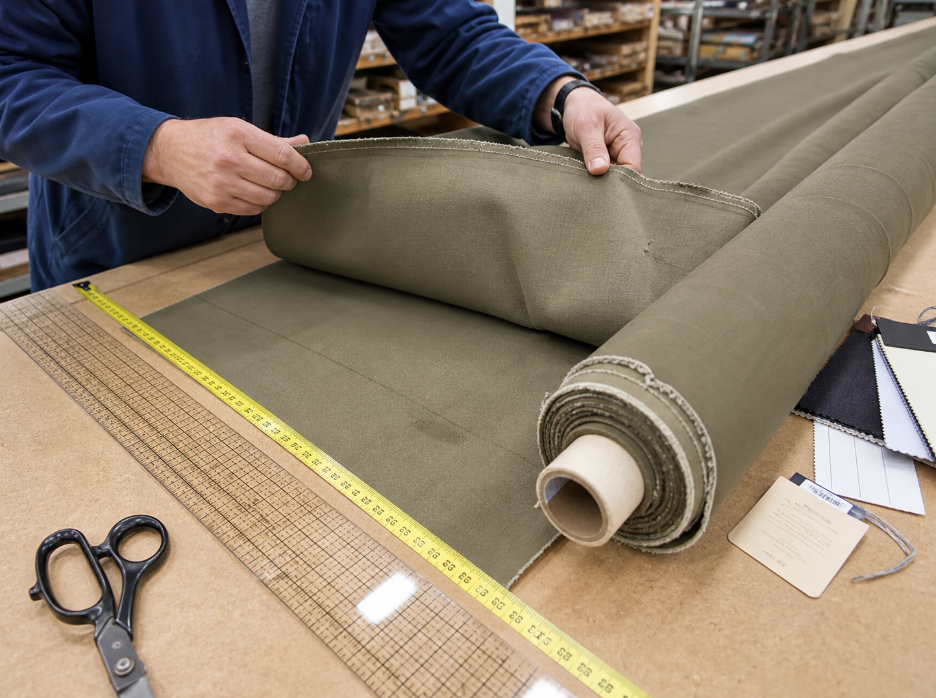
Check these items before buying:
A roll end becomes a better buy when these checks are clear. A roll end becomes risky when the listed yardage is the only reliable detail.
Shipping and storage affect roll ends because fabric condition can change when material is folded, compressed, or stored for long periods. Coated, waxed, primed, stiff, wide, or heavy fabrics need closer handling review.
A folded cotton fabric may recover well after pressing or resting. A coated fabric may keep fold lines or surface stress. A primed artist canvas may need more protection from creases. A waxed canvas may show fold marks as part of its finish, but those marks still matter for visible goods.
Ask 3 questions before buying crease-sensitive material:
A full roll may be safer when shipping format and surface condition affect the finished result.
Avoid fabric roll ends when the project needs exact matching, long continuous cuts, verified documentation, or future supply. A discount does not offset material risk when the finished item must meet strict size, color, finish, or performance requirements.
Avoid roll ends when:
A full roll is often the better business decision when a material shortage would delay production, interrupt a job, or create mismatched finished goods.
Business buyers should choose full rolls when fabric supports repeat products, branded goods, standard SKUs, or institutional work. A roll end may reduce sample cost, but a full roll protects production consistency.
A maker may use a roll end for a bag prototype. A manufacturer should use full rolls or planned cut-yard supply for repeat bag production. A studio may test artist canvas with a roll end. A gallery or art program may need full rolls for consistent stretched surfaces.
For small businesses buying fabric, we recommend planning around reorder risk, lead time, cutting yield, and finished-unit cost. Our guide to wholesale fabric for small businesses explains how quantity planning affects fabric buying.
Custom printing changes the roll-end decision because print layout, repeat accuracy, surface condition, and substrate consistency matter. A roll end may work for test prints or one-off samples. Full rolls are better for production jobs that need consistent base fabric and repeatable output.
Canvas ETC supports digital fabric printing, custom fabric and wallpaper printing, slitting, coloring, sewing, cut-and-sew support, and pattern digitizing. These production services depend on material planning. The substrate must match the print method, finished use, and order quantity.
For printed jobs, confirm these details before choosing roll ends:
A full roll is the safer choice when a printed project needs repeat panels, brand color control, or future reorders.
Roll ends and full rolls solve different buying problems. Roll ends control upfront cost and use leftover material well. Full rolls control yardage, continuity, and repeatability.
| Option | Advantages | Drawbacks |
| Roll ends | Lower commitment, useful for small projects, good for prototypes, less excess when the piece fits. | Fixed size, limited availability, possible condition limits, harder matching, higher reorder risk. |
| Full rolls | Continuous yardage, better matching, stronger production planning, fewer layout limits. | Higher upfront quantity, more storage needs, more planning before purchase. |
The better choice depends on the finished product. A roll end is a smart buy when the project is flexible. A full roll is a smart buy when the project has strict requirements.
The decision should follow a fixed sequence because each answer changes the next one. Start with the finished item, not the discount.
A buyer should choose the roll end only when each step supports the project. A buyer should choose the full roll when one failed step would create waste, delay, or mismatch.
Examples show how the same fabric format can be right or wrong. The material, cut plan, and use case decide the answer.
A canvas tool roll can use a roll end when the fixed piece provides enough clean fabric for the body, pockets, straps, and reinforcement. A full roll is better when a shop makes the same tool roll repeatedly.
A small upholstery repair may use a roll end when the color and weight are close enough for the repair area. A full roll is better when several chairs, cushions, or panels must match.
A vinyl-coated roll end may work for a small utility cover when the coating is clean and creases will not affect the use. A full roll is safer for a large visible cover or a cover set with matching panels.
A nylon roll end works well for testing a pouch, bag panel, or pocket layout. A full roll is better for repeat gear production where denier, coating, shade, and hand must stay consistent.
An artist canvas roll end works for surface tests and small stretched frames. A full roll is safer for a series of paintings that needs the same surface, weave, priming, and width.
The most common mistake is comparing listed price instead of usable yardage. A low price does not help when the roll end is too short, too narrow, flawed, hard to match, or wrong for the fabric type.
Avoid these mistakes:
A roll end purchase should be specific. The buyer should know the project, the cuts, the material behavior, and the acceptable risk before ordering.
A pre-purchase checklist protects the buyer from quantity, quality, and continuity errors. Use this checklist before buying a roll end, remnant, full roll, or large cut-yard order.
If several fields remain unknown, pause the purchase. Missing information creates cost risk.
Roll ends are not automatically lower quality than full rolls. A roll end may be first-quality fabric left at the end of a roll. A roll end may also be a closeout, second-quality piece, or as-is item, depending on how the seller classifies it.
The quality question should be specific. Ask whether the fabric is first quality, second quality, closeout, or sold as-is. Ask whether the usable length and width are measured. Ask whether defects are visible or disclosed.
A roll end becomes safer when quality grade, dimensions, and condition are clear.
Roll ends are often cheaper upfront, but roll ends are not always cheaper per finished project. A roll end costs more when defects, width limits, layout waste, or reorder problems increase total project cost.
Compare these 3 numbers:
The full roll is the better value when it produces more finished pieces with less waste, fewer mismatches, and less production risk.
A roll end can be a remnant, but every remnant is not a roll end. A roll end refers to remaining yardage from the end of a fabric roll. A remnant is a broader category that can include roll ends, offcuts, miscuts, closeouts, or leftover pieces from cut-yard orders.
Use the seller’s description, not only the label. The buyer should verify yardage, width, fabric type, quality grade, and condition before treating any remnant as a project-ready roll end.
A roll end should be treated as limited supply unless the seller confirms that more matching fabric is available. The same fabric name does not always guarantee the same shade, finish, coating, or production lot.
Reorder risk matters most for businesses, upholstery sets, event panels, printed products, uniforms, gear, and repairs. A full roll or planned cut-yard supply is safer when future matching matters.
Swatches are useful when color, hand, weight, finish, or coating affects the project. Swatches help buyers judge material before committing to a roll end, full roll, or larger cut-yard order.
A swatch does not verify every condition of a specific roll end. A swatch shows the material type. A roll-end inspection confirms the specific piece.
Use both when the project has high visual, tactile, or performance risk.
Extra fabric depends on the project, width, repeat, seam allowance, trimming, defects, and fabric behavior. A fixed universal percentage does not work across canvas, nylon, vinyl-coated polyester, mesh, muslin, and artist canvas.
A small bag may need less extra fabric than a large cover with long seams. A patterned, coated, or wide-panel project may need more margin. A roll end needs more careful planning because the buyer cannot extend its length after purchase.
Calculate the finished pieces first, then add waste allowance.
Buy the roll end when the piece is large enough, the condition is clear, the project is flexible, and future matching is not required. Buy the full roll when the project needs continuous yardage, repeatable supply, matching color or finish, or lower production risk.
The macro decision is simple: roll ends solve flexible project needs; full rolls solve continuity and supply needs. The technical decision comes from fabric width, usable yardage, material class, finish, coating, quality grade, and end use.
Choose a roll end when the fixed yardage fits the project and the material condition is clear. Choose a full roll when the project needs consistent fabric, repeatable supply, large continuous cuts, or specification-driven performance.
Canvas ETC supports buyers who select fabric by material, width, weight, denier, weave, finish, coating, and end use. For a safer purchase, calculate yardage first, confirm the fabric specification, order swatches when color or finish matters, and choose the roll end or full roll that protects the finished project.