
Burlap fabric, known internationally as hessian, is a coarse, plain-weave utility textile woven from natural jute bast fibers harvested from the Corchorus plant genus. This biodegradable fabric features high tensile strength and a rustic texture, making it perfectly suited for table runners, decorative holiday wreaths, and protective garden covers. To select and prepare this material safely for home use, crafters must match specific project requirements to the exact fabric weight and finish. Our interactive project selector below simplifies this decision process before you begin cutting.
Weave Density: Medium | Safety Finish: Hydrocarbon-Free
The characteristic chemical odor of raw burlap fabric stems from petroleum-based batching oils used to lubricate jute fibers during industrial spinning. This lubricant is necessary for raw fiber processing but leaves a chemical residue that remains in the finished weave. Sanitized burlap solves this issue by undergoing a high-temperature wash process to remove 99% of these processing lubricants. For indoor residential crafts where direct contact occurs, we advise using only sanitized, scoured fabric to prevent exposure to volatile organic compounds.
Raw jute processing mills use heavy hydrocarbon-based oils during the carding and spinning phases. Jute fibers are naturally stiff and brittle; without lubrication, the spinning machinery breaks the raw strands. These mineral oils cling to the cellulose fiber walls, resisting simple air exposure and evaporation. This residue releases volatile compounds, generating the distinctive diesel-like odor associated with raw agricultural burlap sacks.
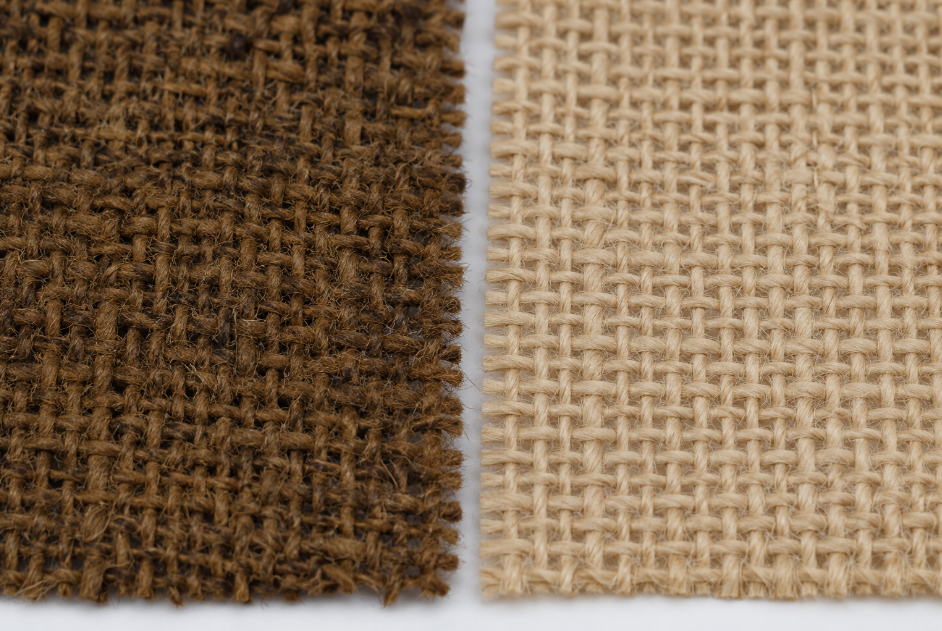
To eliminate these processing residues, the woven material must undergo a specialized scouring process. This sanitizing method subjects the raw fabric to high-temperature scours containing biodegradable surfactants and natural organic cleansing agents. The scouring process dissolves the petroleum batching oils, purging the chemical residues from the weave. The resulting sanitized burlap is fully scoured, odorless, and certified safe for indoor home applications.
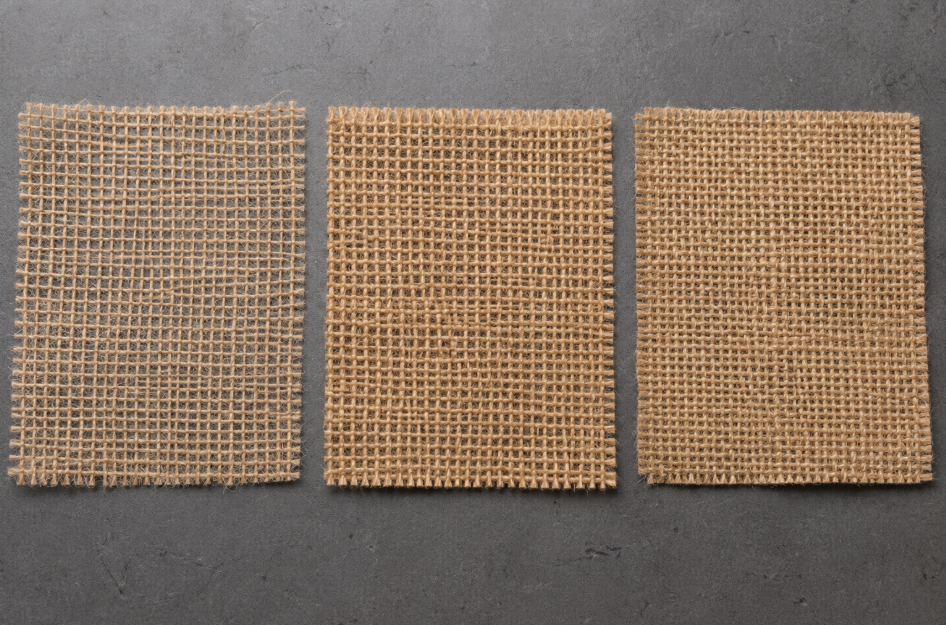
Different burlap fabric weights affect craft performance by determining the structural stiffness and opacity of the completed design. Standard weight classes, measured in ounces per square yard, typically range from lightweight 7 oz weaves to standard 10 oz panels and heavy 12 oz utility styles. While a lighter weave allows light to pass through for airy drapes, heavier classes provide the rigidity required for load-bearing craft containers. We recommend reviewing physical fabric properties before finalizing material orders.
Lightweight 7 oz burlap features an open, loose plain weave with visible gaps between the warp and weft yarns. This low yarn density makes the fabric highly pliable and lightweight, allowing it to drape softly over organic curves. We recommend this weight class primarily for window overlays, wedding drapes, and decorative floral bows. However, the loose yarn structure makes 7 oz burlap highly prone to fraying during cutting.
Standard 10 oz burlap is the most common weight class selected for home decorating and creative craft assemblies. This mid-density weave features a tighter warp and weft alignment, offering a balanced combination of structural stability and pliability. It is the ideal choice for rustic table runners, stenciled signs, placemats, and holiday wreaths. This weight class holds its shape well under acrylic paints and resists unraveling far better than 7 oz alternatives.
Heavyweight 12 oz burlap features a dense, tightly packed plain weave with minimal space between the intersecting yarns. This high density provides maximum stiffness and load-bearing capacity, making the material highly durable. We recommend 12 oz fabric for structural storage bins, rigid wall panels, heavy-duty utility bags, and outdoor furniture covers. The dense weave of this weight class minimizes shedding and provides an excellent surface for high-contrast stenciling.
| Fabric Weight (oz/yd²) | Weave Density (Warp x Weft per Inch) [Verify: exact stock density prior to ship] | Ideal Decor Application | Structural Rigidity Rating | Shedding Risk |
| 7 oz | 9 x 9 | Window drapes, delicate bows, lace overlays | Low | High |
| 10 oz | 12 x 12 | Table runners, wreaths, stenciled signs | Medium | Medium |
| 12 oz | 15 x 15 | Storage bins, heavy floor mats, utility bags | High | Low |
Table 1: Technical specifications and recommended creative applications for standard burlap weight classes.
For projects requiring a comparison of alternative rustic materials, we recommend reading our canvas vs burlap comparison.
Crafters prevent raw burlap edges from fraying by sealing the open, plain-weave margins with fabric adhesives or mechanical stitches. Because jute is a natural bast fiber with loose structural interlocking, cutting the textile freehand causes immediate unraveling. Pulling a single warp thread before cutting creates a straight path that minimizes fiber disturbance and preserves structural alignment. Applying a thin bead of liquid adhesive or running a lockstitch along this cut edge secures the fabric permanently.
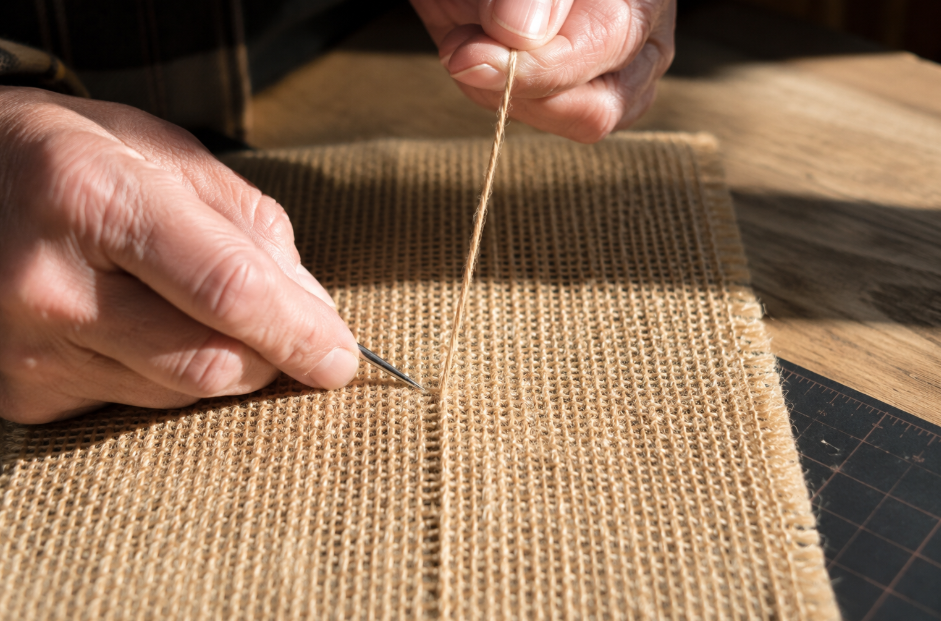
To make perfectly straight cuts that prevent unravelling, follow this specialized thread-pull method:
Once cut, the raw edges must be sealed to guarantee long-term durability. For projects that will not undergo washing, we recommend applying a thin bead of liquid fabric glue or non-toxic starch spray along the cut margins. If you are sewing the material, run a zig-zag stitch or serged edge directly along the border to lock the loose jute fibers. These methods stop the plain-weave threads from sliding out of alignment during handling.
Designers wash and clean natural burlap textiles by spot-cleaning stained areas with mild detergents or hand-washing the fabric in cool water. Mechanical washing machines destroy raw jute fibers and release heavy lint that risks clogging home plumbing systems. Hand-washing restricts fiber friction, limiting fabric shrinkage to a manageable 8% to 10% rate while protecting structural integrity. Damp burlap should always be air-dried flat out of direct sunlight to prevent mold formation and fiber rot.
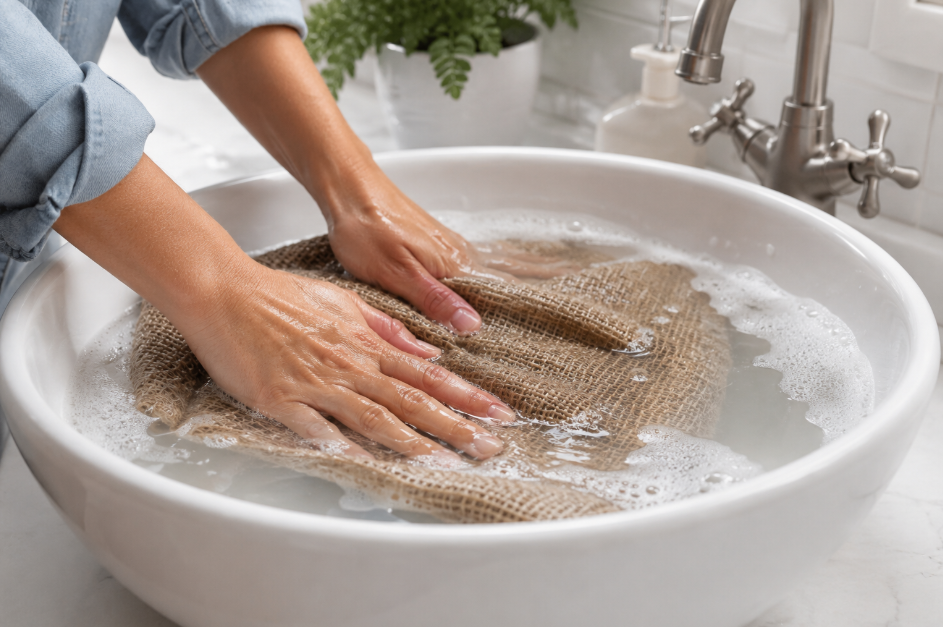
To clean soiled craft burlap without damaging the fibers, execute these steps:
To dry the clean fabric, lay the wet panel flat on a clean surface or drape it evenly over a clothesline out of direct sunlight. Sun exposure can bleach natural jute fibers and cause premature drying, which leads to fiber brittleness. To remove wrinkles safely, iron the burlap while it remains slightly damp. Set your iron to a medium-high steam setting, lay a clean cotton cloth over the burlap surface, and iron with smooth, continuous motions.
Sanitized burlap is better than standard landscaping burlap because scoured craft fabric is entirely free from toxic hydrocarbons and agricultural chemical residues. While landscaping textiles are processed with crude mineral oils to protect plant root balls, sanitized craft grades undergo thorough cleansing to secure indoor air safety. This chemical-free state prevents skin irritation and chemical off-gassing in enclosed residential rooms. Standard agricultural grades should remain confined to outdoor soil stabilization and garden beds.
Standard agricultural landscaping burlap retains batching oils and chemical preservatives that cause skin rashes and breathing discomfort in enclosed spaces. Sanitized burlap removes these industrial processing additives, creating a clean, hypoallergenic fabric that is completely safe to handle. If you are designing indoor items like tablecloths, pillow covers, or nursery wall hangings, verifying that your fabric is certified sanitized protects your family from chemical exposures.
In addition to safety benefits, sanitized burlap offers superior structural consistency and color uniformity. The scouring process removes organic impurities and loose plant fibers, resulting in a cleaner, smoother surface. This clean surface absorbs fabric dyes and acrylic paints far more evenly than raw, oil-coated utility burlap. We recommend purchasing printed fabric swatches to test the color absorption and texture of our scoured craft textiles.
For a deeper understanding of raw material classifications, we invite you to read our guide on the technical differences between burlap, hessian, and jute.
No. Mechanical washing machines destroy loose plain weaves and release heavy amounts of loose lint. This lint can damage machine motors and risk clogging household drainage pipes. Always hand-wash or spot-clean your fabric to preserve its structural integrity.
Yes. As an organic bast fiber, burlap is highly biodegradable and sensitive to constant moisture. If left wet for long periods without air circulation, the natural cellulose fibers will mold, blacken, and rot.
Yes. To iron burlap safely, spray the dry fabric lightly with water or iron while the material remains damp. Set your iron to a medium-high steam setting, place a clean cotton pressing cloth over the burlap, and iron smoothly to remove wrinkles.