
Burlap for bags, sacks and packaging is a plain-weave utility textile manufactured by weaving natural jute plant bast fibers. For commercial procurement managers, selecting the proper packaging material depends on cargo weight, direct contact food safety, and shipping duration. Standard burlap rolls and custom-sewn sacks support agricultural, industrial, and flood-control operations across the United States. Technical buyers can evaluate fabric weight, sizing, and chemical compliance through our printed fabric swatches before committing to large-scale procurement.
Standard Burlap Sourcing Parameters
Burlap sack tensile capacity is a technical material rating evaluated using fiber weight per square yard and warp-and-weft weave density. Heavyweight ten-ounce jute fabric provides high tear resistance for sandbags and agricultural packaging. Thick jute fibers prevent structural seam failure when transporting loads reaching two hundred pounds. Lighter seven-ounce weaves are best-suited for temporary landscape protections rather than heavy-duty transport.
Our manufacturing facility utilizes a standard plain weave to assemble industrial-strength sacks. The strength of the final packaging is directly proportional to the weight class of the raw jute fabric. We construct bags with heavy-duty overlock and chain-stitching to maintain structural integrity under dynamic shipping stresses. Standard weight classes range from lightweight utility to extra heavyweight containment.
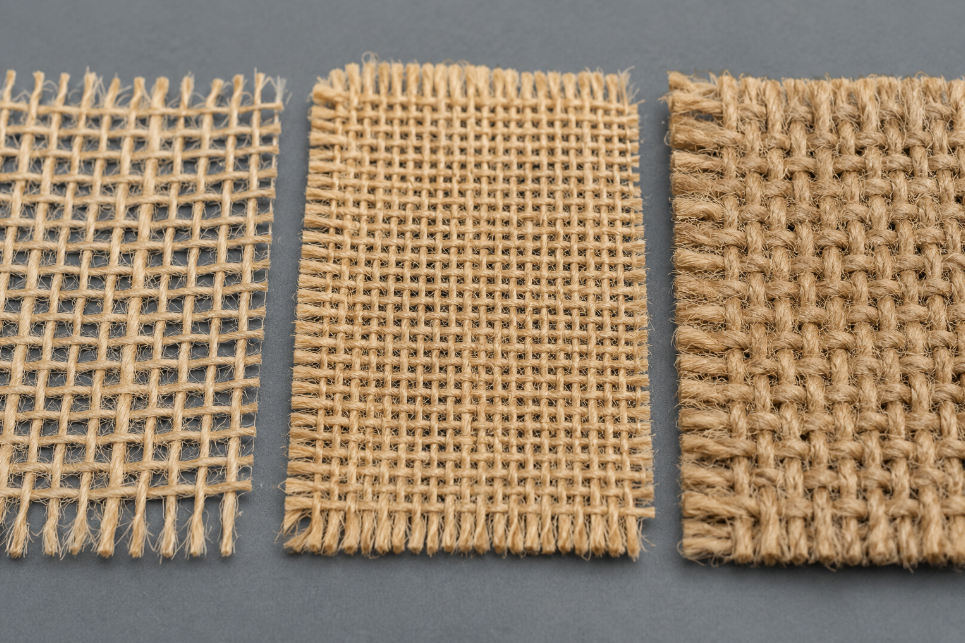
We outline these distinct performance limits in the technical load matrix below:
| Fabric Weight Class | Grams per Square Meter (GSM) | Standard Bag Dimensions | Safe Working Load Limit (SWL) | Primary Applications |
|---|---|---|---|---|
| 7 oz / sq yd | 237 GSM | 14 in x 26 in | Up to 35 lbs (16 kg) | Nursery root wraps, light part shipping |
| 9 oz / sq yd | 305 GSM | 18 in x 30 in | Up to 50 lbs (23 kg) | Grain packaging, medium-duty logistics |
| 10 oz / sq yd | 340 GSM | 24 in x 40 in | Up to 100 lbs (45 kg) | Potato sacks, construction sandbags, heavy metal parts |
Mineral oil batching contamination is a chemical migration hazard occurring through the application of petroleum-based lubricants to raw jute fibers during spinning. Petroleum-based processing lubricants release volatile organic hydrocarbons. Released chemical compounds migrate directly into packed agricultural products. Vegetable-based batching lubricants eliminate toxic residues completely.
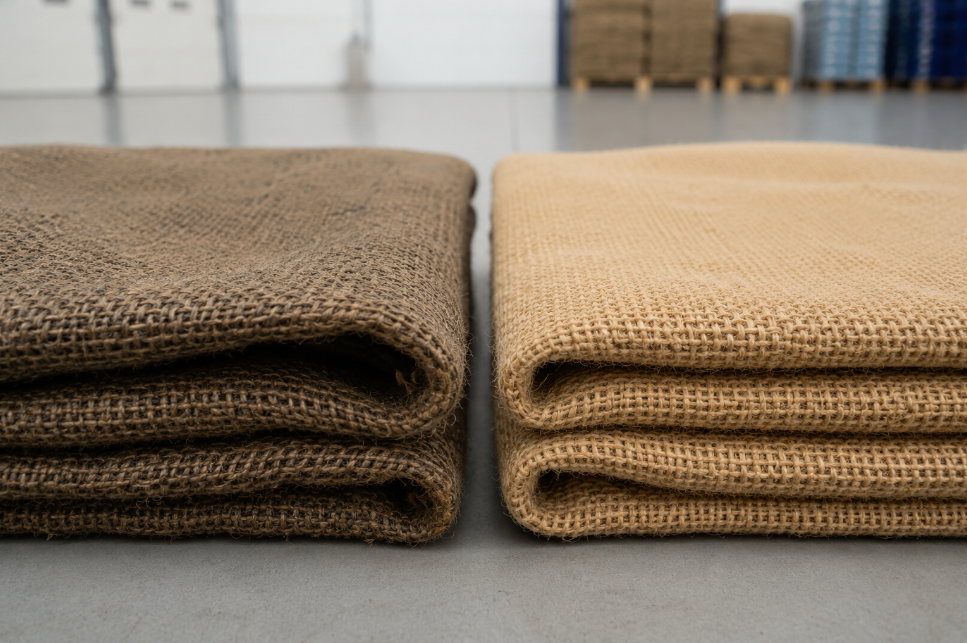
Raw jute plant fibers are naturally stiff and brittle, requiring lubrication during the carding and spinning phases. In standard industrial manufacturing, processors apply low-cost mineral oils, also classified as petroleum batching oils. These mineral oils contain saturated hydrocarbons (MOSH) and aromatic hydrocarbons (MOAH). Saturated hydrocarbons accumulate in food chain items, causing health risks.
Aromatic hydrocarbons pose severe toxicological concerns and migrate into dry, high-fat crops like cocoa and roasted coffee beans. Sourcing standard mineral oil treated sacks for sensitive food items leads to regulatory rejection at international borders. We maintain strict control over our material sourcing to prevent chemical cross-contamination.
Food safe burlap bag manufacturing is a certified cleanroom fabrication process using vegetable-based batching emulsions and strict hazard analysis critical control point audits. Clean manufacturing facilities eliminate physical debris and mineral contaminants during fiber spinning. Vegetable oil treatments meet international export regulations for packaging coffee and cocoa.
To qualify as certified food-grade packaging, jute processors must replace petroleum lubricants with food-safe vegetable oils, such as refined rice bran oil or castor oil. The production line must adhere to the International Jute Organisation (IJO) Standard 98/01. This standard mandates that total hydrocarbon residues must not exceed 1 milligram per kilogram of fabric.
We verify compliance through independent laboratory testing and batch tracking. Sacks meeting these chemical parameters are designated as Hydrocarbon-Free or Vegetable Oil Treated (VOT). These bags prevent flavor transfer, protecting the raw aromatic profiles of specialty crops during transit.
Heavy cotton duck canvas selection is a performance-based material decision guided by durability, tear strength, and low fiber shedding requirements. Woven cotton fibers offer high puncture resistance and tight weave geometries that prevent product leakage. Plain-weave cotton canvas protects sensitive technical instruments from particulate contamination. Standard burlap packaging remains best-suited for landscaping or single-use agricultural containment.
Standard burlap is a loose-weave textile that naturally sheds coarse plant fibers. While fiber shedding is harmless for potatoes and nursery plants, it is highly problematic for fine machinery, electrical components, or high-purity minerals. For these demanding industrial tasks, we recommend a material upgrade.
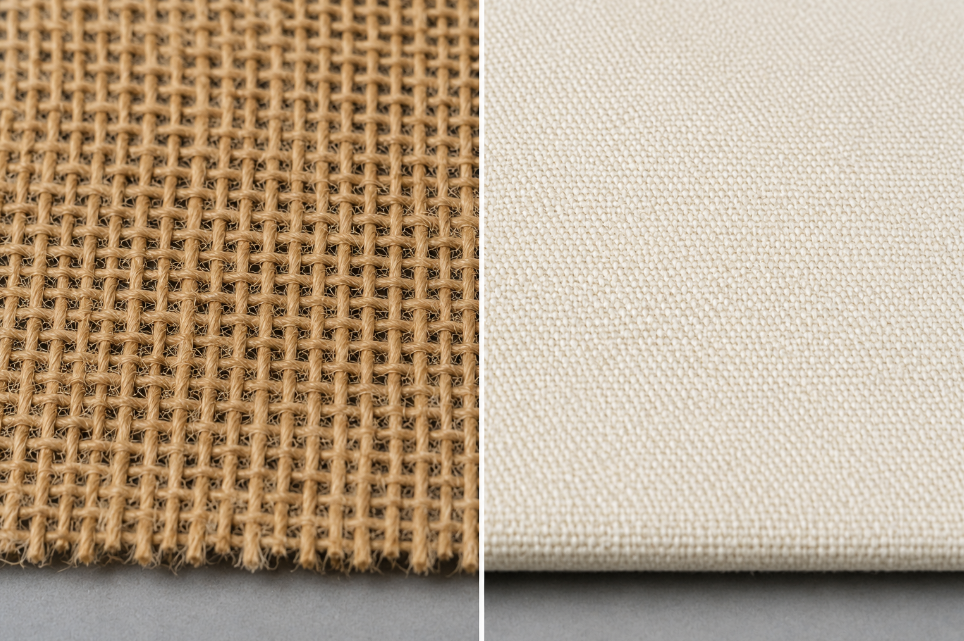
Our heavy duty cotton duck cloth features an extremely tight, double-fill weave that prevents shedding completely. This thick cotton canvas resists punctures from sharp edges and supports heavy, abrasive hardware. Selecting a premium canvas bag extends the packaging lifetime, allowing multiple reuse cycles and lowering long-term packaging costs.
Jute burlap and synthetic woven polypropylene packaging differ across environmental degradation rates, moisture absorption capabilities, and ultraviolet light exposure lifespans. Biodegradable plant-based burlap fibers decompose naturally in soil within one year. Synthetic plastic fibers resist moisture decay but contribute to microplastic accumulation in agricultural fields. Polypropylene materials offer higher dry tensile strengths but suffer rapid degradation under direct solar radiation.
Woven plastic bags are highly effective for dry sand and non-biodegradable construction waste. However, synthetic materials trap heat and humidity inside the bag, which accelerates rot in organic agricultural goods. Natural burlap allows continuous airflow, maintaining a stable moisture level that preserves agricultural seeds and bulbs.
For construction and agricultural land management, we must evaluate environmental conditions. Natural jute fibers rot away cleanly, making them the industry standard for root-ball wrapping and environmental erosion control. Polypropylene requires chemical stabilizers to resist ultraviolet light, whereas burlap degrades naturally without synthetic additives.
Sourcing wholesale packaging fabrics requires a systematic evaluation of manufacturer chemical compliance, minimum order quantities, and fabric weight specifications. Procurement managers must verify whether processing facilities use certified vegetable oil batching emulsions. Quality assurance checks confirm that weave densities match weight claims. Clear communication regarding seam construction prevents bag failures during industrial shipping.
Before securing bulk supply chains, procurement teams should consult directly with experienced manufacturers. Ask if the fabric weight is measured in ounces per square yard or ounces per linear yard, as this distinction affects material density. Request direct laboratory test reports showing MOSH and MOAH chemical limits if food safety is a major factor.
At Canvas ETC, we support your purchasing decisions through our wholesale bulk textile sourcing services. Our technical team assists in selecting the proper material weight, custom dimensions, and sewing styles. We can review your cargo profiles to match your needs with the correct grade of burlap or heavy canvas.
Only certified Vegetable Oil Treated (VOT) hydrocarbon-free burlap is safe for direct food contact. Standard industrial burlap contains mineral oil lubricants that can transfer petroleum odors and harmful volatile organic compounds to raw food items. We recommend reviewing chemical compliance certificates for IJO Standard 98/01 before packaging sensitive consumables.
Jute is the natural plant species (Corchorus) that produces the bast fibers used to spin yarn. Burlap is the coarse, plain-weave fabric woven from those jute yarns. For a complete botanical and textile distinction, see our burlap vs hessian vs jute comparison.
Heavy-duty utility bags require materials with high tear resistance and dense seam construction. Standard burlap is ideal for agriculture and sandbags, but heavy canvas is superior for containing jagged parts or preventing fiber contamination. To evaluate alternative bag designs, explore our guide on industrial bag and sack materials.